Tai Kin Ip Steps Down as Macau's Secretary for Economy and Finance in Sudden Move
Written by Harper Schmidt · Apr 16, 2026

Tai Kin Ip Steps Down as Macau's Secretary for Economy and Finance in Sudden Move
Macau's political landscape shifted abruptly in April 2026 when Tai Kin Ip resigned from his post as Secretary for Economy and Finance, citing personal reasons; the decision, proposed by Chief Executive Sam Hou Fai, received swift approval from China's State Council and took effect immediately, leaving observers to watch closely as the world's top gambling destination navigates this unexpected change.
Details of the Resignation
According to Reuters, Tai Kin Ip's departure marks a pivotal moment for Macau, where the economy hinges heavily on gaming revenues that topped $30 billion under his watch; since assuming the role in late 2024, he steered policies amid a post-pandemic boom, yet personal matters prompted the exit, with no further elaboration provided by officials.
Sam Hou Fai, Macau's Chief Executive, steps in temporarily to manage the portfolio, a move that underscores the seamless continuity authorities aim to maintain; preparations are underway to nominate a successor, whose appointment will require Beijing's nod, reflecting the SAR's unique governance tied closely to central government oversight.
Tai Kin Ip's Tenure and Responsibilities
Appointed in late 2024, Tai Kin Ip oversaw a sprawling economy where casinos dominate, directing strategies for the six licensed concessionaires—Sands China, Wynn Macau, MGM China, SJM Holdings, Melco Resorts, and Galaxy Entertainment—that drive the lion's share of revenue; data from the Gaming Inspection and Coordination Bureau reveals how these operators collectively fueled gross gaming revenue surges, hitting record highs in recent quarters as visitor numbers rebounded sharply.
During his approximately 18 months in office, Ip navigated fiscal policies, budget allocations, and diversification efforts, all while the industry—responsible for over 80% of government income—faced global headwinds like economic slowdowns elsewhere; experts note his role extended to non-gaming initiatives, such as tourism promotion and infrastructure projects, yet gaming remained the core focus, with monthly reports showing steady climbs in table games and slots performance.
Take Sands China, for instance, which operates opulent properties like The Venetian Macao; under Ip's era, it expanded non-gaming amenities, aligning with Beijing's push for broader economic models, while Wynn Macau emphasized high-end experiences that drew VIP players back in droves.
But here's the thing: MGM China and SJM Holdings, rooted in local heritage, adapted to regulatory shifts Ip helped implement, including stricter anti-money laundering measures; Melco Resorts and Galaxy Entertainment, meanwhile, poured investments into entertainment districts, turning Cotai into a rival for Las Vegas's allure, all tracked meticulously in official filings.
Macau's Gambling Empire: Context for the Leadership Change
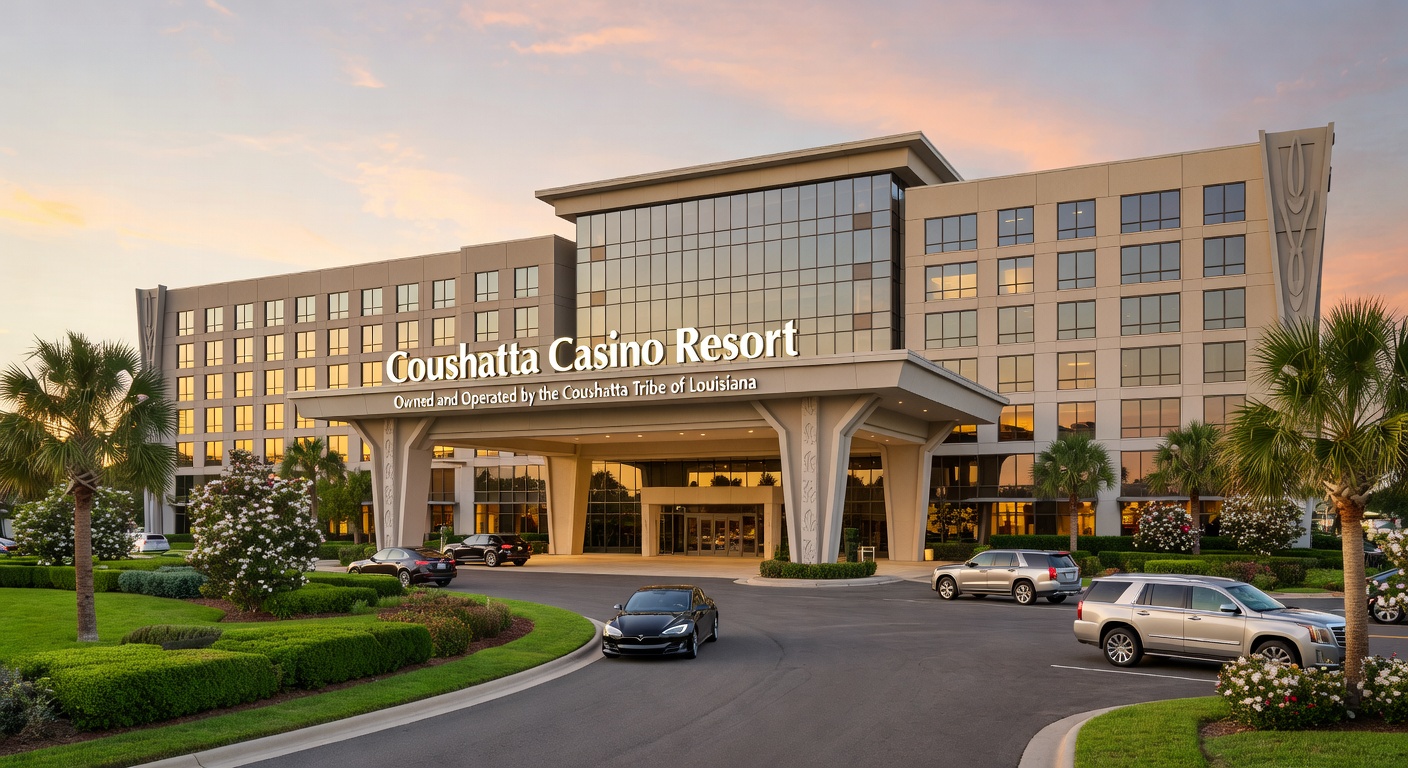
World-renowned as the planet's biggest gambling hub—surpassing Las Vegas Strip totals year after year—Macau's $30 billion sector thrives on baccarat dominance, drawing millions from mainland China and beyond; figures from the American Gaming Association highlight how 2025 revenues approached pre-COVID peaks, with 2026 projections even brighter thanks to relaxed travel policies.
Operators like Galaxy Entertainment ramped up mass-market appeal through affordable resorts, whereas Wynn Macau catered to whales with private jets and luxury suites; this mix, overseen by Ip, balanced high-rollers and everyday gamblers, generating taxes that fund public services from roads to healthcare, a cycle that's kept the SAR prosperous despite occasional dips.
What's interesting is the timing: April 2026 arrives amid a strong quarter, where first-quarter gaming revenue climbed 15% year-over-year per bureau stats, yet Ip's exit introduces uncertainty; people who've studied these transitions point out past reshuffles, like those post-2014 crackdowns, often led to policy tweaks without major disruptions.
Interim Arrangements and Succession Process
Chief Executive Sam Hou Fai, no stranger to high-stakes decisions since taking office, assumes the duties seamlessly, leveraging his experience in economy matters; authorities have signaled a quick nomination, with Beijing's State Council—the ultimate approver—typically acting within weeks on such proposals, ensuring minimal vacuum in leadership.
Observers note this interim setup mirrors previous instances, such as when other secretaries juggled portfolios during transitions; for Ip's vacancy, Fai will handle daily operations, from budget reviews to concessionaire meetings, while a search committee identifies candidates versed in finance and gaming regs.
And while personal reasons remain the stated cause—no scandals or probes mentioned—those familiar with Macau politics know such moves can stem from health, family, or advisory counsel, often keeping details under wraps to maintain stability.
Broader Economic Landscape in Macau
Macau's reliance on gaming isn't lost on anyone; with 41 licensed casinos across the strip, the industry employs tens of thousands, from dealers to executives, and spills over into hospitality, retail, even conventions; Ip's policies supported this ecosystem, including subsidies for non-gaming diversification—a Beijing mandate since 2002 that's slowly gaining traction, with integrated resorts now boasting theaters, arenas, and malls.
SJM Holdings, the lone surviving local giant post-concession reforms, invested in tech upgrades under his tenure, while MGM China launched community programs tying gaming to social good; Melco Resorts unveiled new hotel towers, capitalizing on family travel trends, and Sands China's mega-conventions drew global business, padding revenues beyond pure bets.
Turns out, April 2026 data underscores resilience: visitor arrivals topped 25 million annually, per tourism office tallies, fueling a virtuous cycle where taxes replenish coffers for the next boom; yet leadership changes like this test that machinery, as successors must hit the ground running amid competition from Singapore and the Philippines.
Reactions and Forward Outlook
Industry players stayed mum publicly, issuing standard statements of respect for Ip's service; stock tickers for listed operators like Galaxy and Melco dipped fractionally on the news—less than 1%—before stabilizing, signaling market confidence in the handover; analysts tracking DICJ metrics expect continuity, with Q2 forecasts holding firm at $8 billion-plus.
Sam Hou Fai's dual role buys time, but the ball's in the nomination court's now; Beijing prioritizes technocrats who grasp both local dynamics and national goals, like curbing illicit flows while maximizing yields—a tightrope Ip walked effectively.
One case that comes to mind: similar resignations in 2022 led to appointees who accelerated recovery, posting 300% revenue jumps; researchers who've pored over these patterns suggest Ip's successor will inherit a hot streak, fine-tuning rather than overhauling.
Conclusion
Tai Kin Ip's immediate resignation as Macau's Secretary for Economy and Finance, greenlit by China's State Council on Sam Hou Fai's proposal, closes a chapter on his oversight of the $30 billion gambling behemoth; with the Chief Executive bridging the gap and a successor in the works, the SAR presses on, its casino lights burning brighter than ever in April 2026, as concessionaires like Sands China, Wynn Macau, and peers keep the revenue engines humming without missing a beat.
That's the reality: transitions happen, but in Macau, the house always adapts, ensuring the world's gambling capital rolls the dice forward.