Pennsylvania Gaming Revenue Surges Past $600 Million in March 2026 Milestone
Written by Carlo Hayes · Apr 21, 2026

Pennsylvania Gaming Revenue Surges Past $600 Million in March 2026 Milestone
The Record-Breaking Month Unfolds
Pennsylvania's gaming industry clocked in gross gaming revenue (GGR) of $602.4 million for March 2026, smashing through the $600 million mark for the first time that year; this figure reflects a solid 4.85% increase compared to March 2025, according to Casino.org reporting on data from the Pennsylvania Gaming Control Board. What's interesting here is how online segments carried the load, while traditional brick-and-mortar operations faced headwinds, yet the overall push forward signals resilience in a competitive landscape overseen by 17 casinos statewide, with an 18th set to debut in State College come April.
Data breaks down cleanly: online gaming pulled in $254.7 million, up nearly 7% from last year, and sports betting exploded to $47.8 million, boasting a whopping 77% year-over-year gain; meanwhile, retail slots dipped 3% to $216.2 million, and table games slipped 4% to $78.7 million, illustrating a clear shift toward digital platforms even as physical venues hold steady. Observers note this pattern isn't new, but the scale in March stands out, especially with April's casino opening looming, potentially injecting fresh revenue streams into central Pennsylvania.
Online Gaming Takes Center Stage
Online gaming's $254.7 million haul emerges as the undisputed star, growing almost 7% year-over-year and accounting for over 42% of total GGR; platforms offering slots, table games, and poker drew players who favor convenience, accessibility from home devices, and promotions tailored for digital users, data from the Pennsylvania Gaming Control Board confirms. Turns out, this segment has consistently outperformed since legalization, but March's numbers highlight accelerated adoption, perhaps fueled by improved apps, broader marketing, and seasonal sports tie-ins that blur lines between iGaming and betting.
People who've tracked these trends often point to how online operators optimize user experience with seamless deposits, live dealer options, and loyalty programs, driving repeat engagement; one case from prior months showed similar upticks during major events, yet March sustained momentum without a singular catalyst, suggesting structural shifts rather than fleeting hype. And with mobile penetration high in Pennsylvania—over 80% of adults smartphone-equipped, per industry stats—this channel keeps expanding, pulling revenue that might otherwise leak to out-of-state sites.
Sports Betting's Explosive 77% Leap
But here's the thing that really turns heads: sports betting revenue rocketed 77% to $47.8 million, a figure that underscores betting's transformation from niche to powerhouse, especially with March Madness basketball commanding wagers across apps and retail kiosks; figures reveal both online and in-person bets contributed, though digital likely dominated given the broader online surge. Experts who've studied Pennsylvania's market observe how legalized sportsbooks at casinos, paired with standalone apps, capture casual fans who bet on NFL futures, NBA playoffs, or even niche esports, amplifying totals during peak seasons.
This growth builds on 2025's foundation, where incremental handle increases laid groundwork, yet March's jump feels like the rubber meeting the road for mature operations; take one sportsbook operator who expanded live in-play options, resulting in sustained play volumes that data indicates persisted post-event. So as April approaches with warmer weather and MLB opening day behind, sustained interest in ongoing leagues could carry this momentum, particularly if the new State College casino integrates betting lounges from day one.
Retail Slots and Tables Face Headwinds
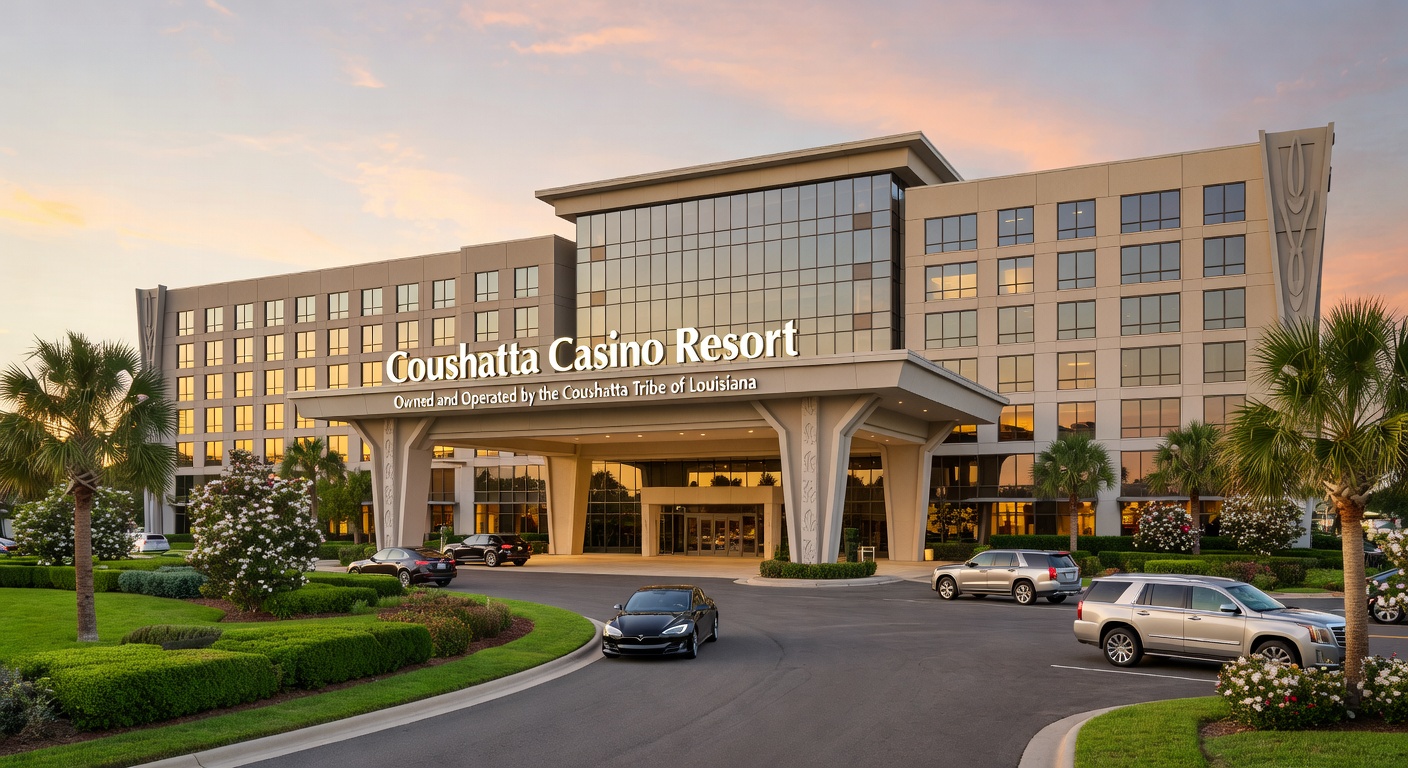
Retail slots generated $216.2 million, down 3% from March 2025, while table games hit $78.7 million, a 4% decline; these dips occur against flat foot traffic at Pennsylvania's 17 casinos, where economic pressures like inflation squeeze discretionary spending, yet high fixed costs for venues persist. Studies from gaming analysts reveal patrons gravitate online for slots' familiarity without travel, leaving physical machines underutilized during weekdays; that's not to say floors empty out—weekends and events still draw crowds—but the shift shows in numbers, with utilization rates hovering lower than pre-pandemic peaks.
Table games, often social hubs with blackjack, craps, and baccarat, mirror this trend, as players opt for live dealer streams that replicate the vibe minus crowds; one observer noted how hybrid events, like casino-hosted watch parties, help mitigate losses, but March data underscores the challenge. Yet these segments remain foundational, contributing over 48% of GGR combined, and upgrades like skill-based slots or themed tables could stem erosion, especially with the 18th property eyeing family-friendly expansions in college town State College.
Oversight and the Road to 18 Casinos
The Pennsylvania Gaming Control Board (PGCB) regulates this ecosystem, ensuring compliance across slots, tables, online portals, and sportsbooks through rigorous licensing, audits, and consumer protections; monthly reports like March's provide transparency, revealing tax contributions that fund state programs, education, and local initiatives. Now, as April 2026 unfolds, all eyes turn to the 18th casino in State College, slated for opening next month, which promises 500+ slots, table pits, and a sportsbook tailored for Penn State game days, potentially adding $10-20 million monthly once ramped up, based on comparable launches.
Those who've followed PGCB approvals know this property—likely a Hollywood Casino brand or similar—targets central Pennsylvania's untapped market, where college students and alumni represent a demographic ripe for responsible gaming; preparatory data from site visits shows infrastructure ready, with online integration from launch to capture crossover players. It's noteworthy that this expansion aligns with March's digital strength, positioning the state for balanced growth rather than retail reliance.
Broader Patterns and April Outlook
March's $602.4 million total caps a 2026 start where prior months hovered under $600 million, yet year-to-date trends point upward, driven by the online-sports tandem that now exceeds 50% of revenue; historical comparisons show Pennsylvania outpacing neighbors like New Jersey in absolute dollars, though per-capita metrics vary. And with April's casino debut, early indicators—permit filings and staffing hires—suggest a revenue bump, particularly if tied to spring events like the Masters golf or NBA playoffs fueling bets.
People in the industry often discover that new venues catalyze competition, spurring innovations like cashless wallets or VR previews across the 18 properties; data from past openings, such as Cordish's Live! in 2020, revealed 15-20% initial lifts that stabilized higher. So while retail softens, the state's framework adapts, overseen by PGCB's steady hand, keeping Pennsylvania a gaming heavyweight.
Conclusion
Pennsylvania's gaming sector notched a landmark $602.4 million GGR in March 2026, propelled by online gaming's 7% rise to $254.7 million and sports betting's 77% surge to $47.8 million, offsetting retail declines in slots and tables; this first $600 million-plus month signals digital dominance amid 17 casinos' operations, just as an 18th prepares for State College in April. Figures from the PGCB paint a picture of evolution, where adaptability meets regulation, setting the stage for sustained expansion in a dynamic market.