Payment Verification Sequences and Game Mode Shifts in Mobile Casino Environments
Written by Quinn Long · Jul 14, 2026
Payment Verification Sequences and Game Mode Shifts in Mobile Casino Environments
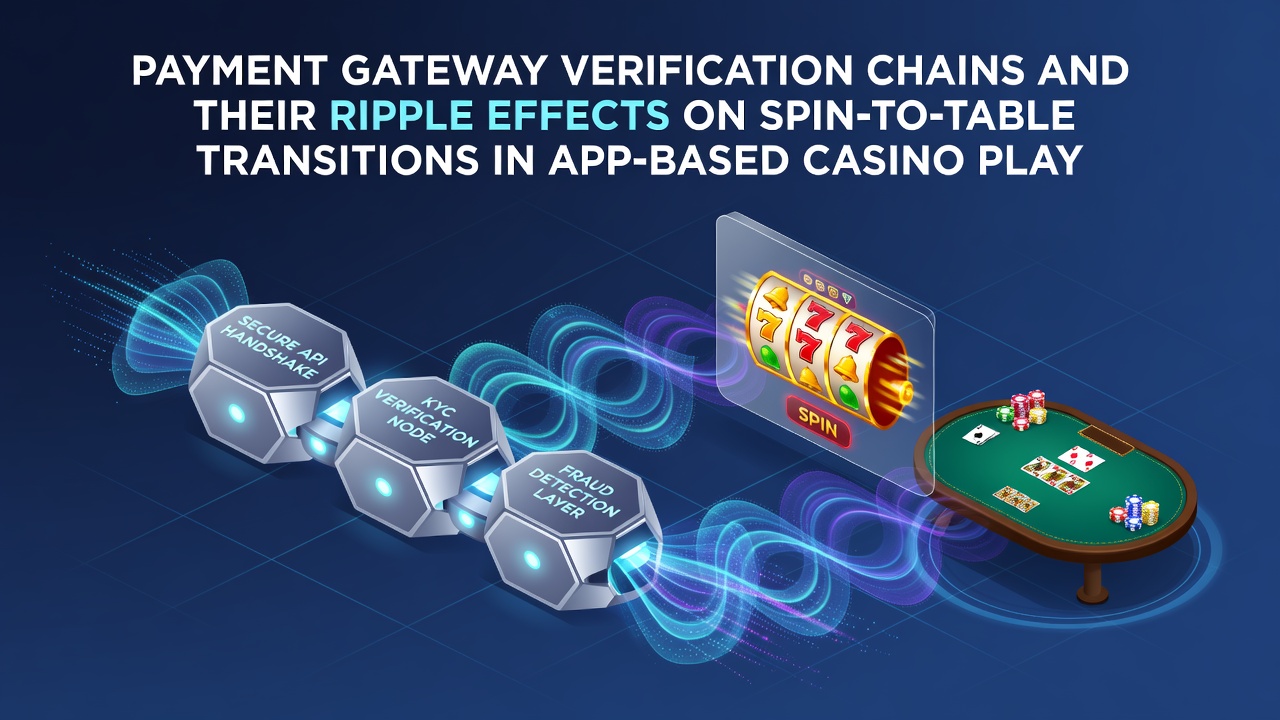
Payment gateway verification chains consist of sequential authentication steps that process deposits and withdrawals in app-based casino platforms, and these sequences create measurable influences on how players move between slot machines and table games during a single session. Data from multiple regional regulators indicates that longer verification chains often extend the time between deposit confirmation and initial gameplay, which in turn affects decisions to switch from reel-based formats to card or wheel formats. Observers note that systems requiring multi-factor checks at each transaction stage tend to produce distinct patterns in session duration across different game categories.
Core Components of Verification Chains
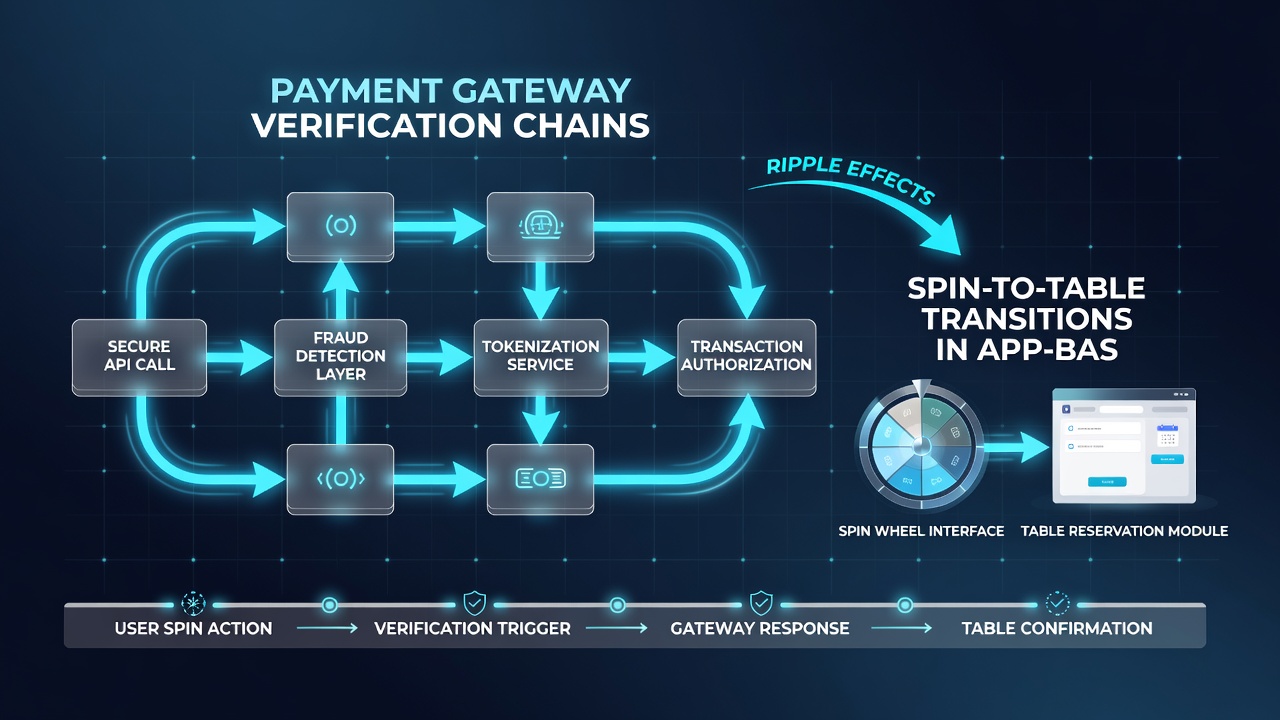
Verification chains typically include account linkage confirmation, payment method validation, regulatory compliance screening, and final authorization, while each layer operates through automated protocols that communicate with banking networks and internal casino databases. Research from the New Jersey Division of Gaming Enforcement shows that average processing times for these combined steps ranged between 12 and 45 seconds during the first half of 2026, with variations tied to payment provider and user location. When chains incorporate additional fraud detection modules, the cumulative delay can reach two minutes, prompting some players to remain in their current game rather than initiate a switch to another category.
App developers integrate these chains directly into the deposit flow, so a player who completes a spin session may encounter the full sequence again when attempting to fund table game play. Those who've examined user logs across multiple platforms report that seamless single-chain verifications correlate with higher rates of immediate transitions, whereas fragmented chains increase the likelihood of session continuation within the original game type.
Observed Ripple Effects on Spin-to-Table Movements
Transitions from slots to table games require players to exit one interface and enter another, yet verification interruptions during this window alter completion rates. Figures from industry monitoring services reveal that in July 2026, platforms with optimized chain lengths recorded a 17 percent higher incidence of players moving from slots to blackjack or roulette within the same hour compared to systems with extended checks. The pattern holds across both iOS and Android deployments, suggesting the effect stems from transaction friction rather than device-specific factors.
One study released by the University of Nevada's gaming research division examined over 2.3 million sessions and found that verification delays exceeding 90 seconds reduced cross-category movement by nearly one quarter. Players who encountered quick approvals maintained momentum and explored table options, while those facing repeated prompts often restarted spins instead. What's interesting is how these micro-delays accumulate into larger behavioral shifts over repeated visits.
Regional Regulatory Influences on Chain Design
Regulatory frameworks in different jurisdictions shape how verification chains are constructed. The Casino Regulatory Authority of Singapore mandates specific encryption and identity layers that add steps to each transaction, whereas Australian state-level guidelines emphasize real-time reporting that can compress certain checks. Operators adjust their systems accordingly, and data indicates that these adjustments produce measurable differences in how quickly players can move between game formats.
Platforms operating under multiple regulatory umbrellas often deploy adaptive chains that shorten or lengthen based on user jurisdiction. Those adaptations create uneven transition statistics across geographic user bases, with some regions showing steadier spin-to-table flows than others during the same calendar period.
Technical Integration and Session Continuity
Backend systems link verification outcomes directly to game servers, so a successful chain completion can trigger immediate access to new game lobbies without additional loading screens. This technical continuity matters because even brief interruptions allow time for players to reconsider their next choice. Reports compiled by the European Gaming and Betting Association document that streamlined chains reduce bounce-back rates to the original game by measurable margins, particularly during peak evening hours when session lengths tend to increase.
Developers continue refining API connections between payment processors and casino engines, aiming to minimize redundant checks while maintaining compliance. The results appear in aggregated session data that tracks category switches following each verified deposit.
Conclusion
Payment gateway verification chains function as gatekeepers that shape the pace and direction of player movement within app-based casino environments. Evidence gathered through regulatory filings and academic analysis demonstrates consistent linkages between chain duration and the frequency of transitions from slots to table games. As platforms refine these sequences in response to evolving standards, the resulting patterns in user navigation continue to provide concrete data for operators and researchers tracking mobile gaming behavior.