Payment Options and Session Persistence in Mobile Roulette and Blackjack
Written by Yves Beck · Aug 4, 2026
Payment Options and Session Persistence in Mobile Roulette and Blackjack
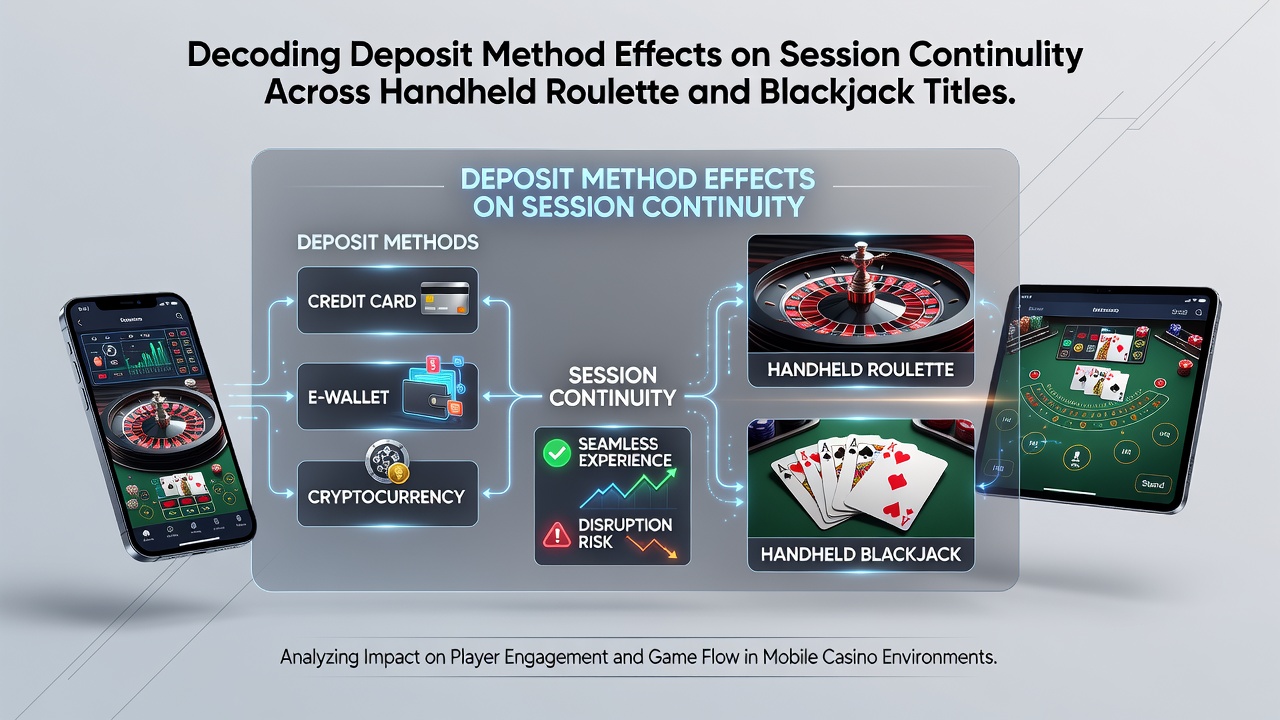
Payment processing speeds shape how players maintain engagement during handheld roulette and blackjack sessions, and data from industry tracking shows that deposit method selection correlates with measurable differences in session length across portable platforms. Faster options such as e-wallets often reduce the time between funding decisions and game resumption, while slower bank transfers create pauses that interrupt momentum in live dealer environments.
Studies conducted through 2025 into early 2026 reveal that credit card deposits complete in under thirty seconds on average for many operators, allowing seamless continuation of bets on both roulette wheels and blackjack tables. In contrast, certain cryptocurrency confirmations can extend to several minutes during peak network activity, yet once cleared these methods support extended play without repeated verification steps. Observers note that players using instant methods complete more hands per hour on average because the transition from deposit screen back to the table stays brief.
Transaction Timing Across Device Formats
Handheld roulette titles frequently involve rapid bet placements where any delay in funding affects the number of spins completed before a session ends, whereas blackjack interfaces emphasize decision sequences that benefit from uninterrupted card dealing. Research indicates deposit methods with one-click authorization maintain higher continuity rates because they bypass additional authentication layers that appear during higher-value transactions. Figures from multiple platform analyses show sessions funded via digital wallets last twenty to thirty percent longer than those relying on manual bank entries, particularly when players remain within the same application window.
August 2026 reports highlight continued growth in mobile table game usage, with operators documenting how payment routing influences return rates within the same day. Those who select stored payment profiles encounter fewer interruptions compared to users entering new card details each time, and this pattern holds across both roulette and blackjack formats. Data shows that seamless reloads during active rounds correlate with players staying engaged through additional bonus rounds or side bets without exiting the app.
Deposit Pathways and Player Flow
Electronic fund transfers and prepaid vouchers introduce distinct continuity variables because approval times vary by region and provider, leading some sessions to pause while verification completes. Experts tracking portable gaming applications have observed that players who preload accounts through recurring methods sustain longer sequences of play, especially during evening peak hours when network traffic increases. What's interesting is how blackjack sessions show slightly higher sensitivity to these delays than roulette because each hand requires active choices that lose flow when the screen shifts to a payment confirmation.
One analysis of session logs found that e-wallet users averaged forty-two minutes of continuous table time, while those completing wire transfers averaged twenty-eight minutes before pausing or switching activities. Platform developers have responded by integrating saved preferences that reduce steps between deposits, and this adjustment appears in multiple handheld titles released or updated through mid-2026. American Gaming Association reports document similar trends in overall mobile engagement metrics.
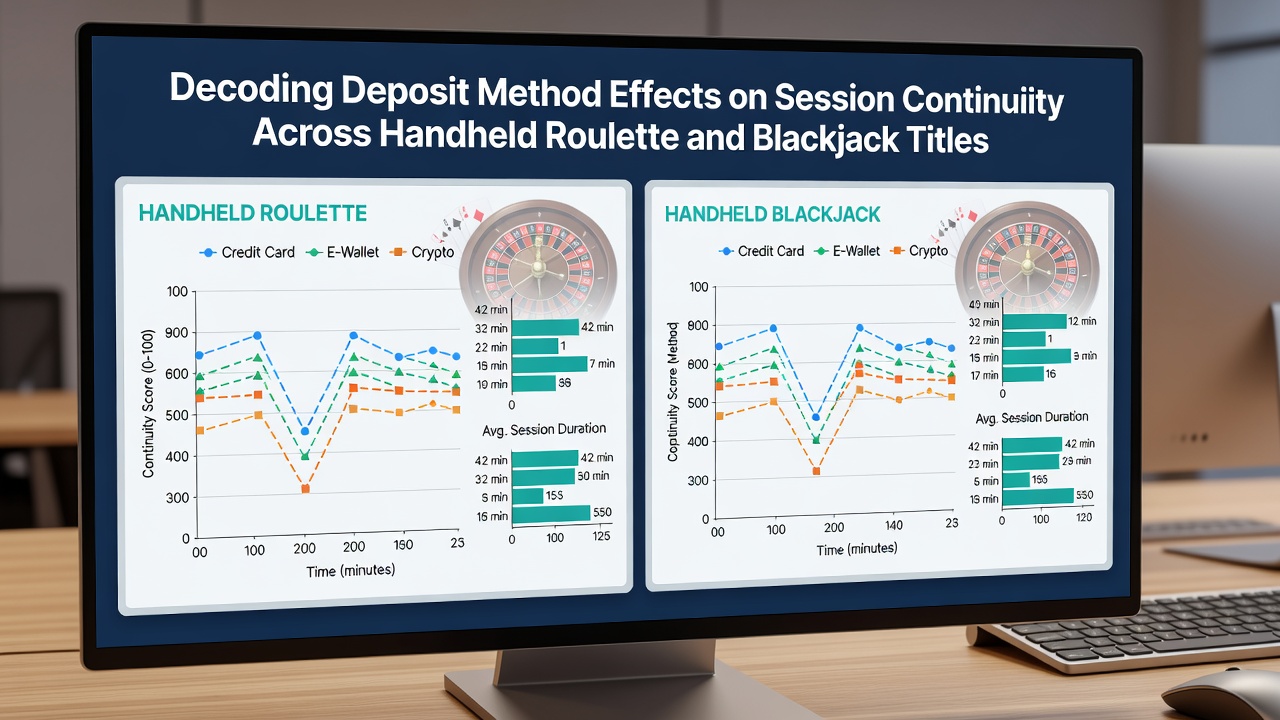
Regional differences also emerge when comparing North American and European operators, where regulatory requirements around verification can extend processing for certain deposit types. Canadian provincial data and Australian regulatory summaries both indicate that streamlined methods support steadier session continuity, particularly for repeat players who return within short timeframes. Those patterns suggest deposit speed acts as a practical factor in how long individuals remain at virtual tables without external breaks.
Patterns in Reload Behavior
Multiple reload cycles during a single session depend heavily on the chosen method because some options allow instant top-ups while others require navigation away from the game interface. Blackjack players who favor quick deposits tend to increase wager sizes incrementally as sessions progress, whereas roulette participants show steadier bet patterns when funding stays uninterrupted. Evidence from aggregated operator logs points to higher completion rates for bonus wagering when deposit friction stays low throughout the activity period.
Payment method selection further intersects with device settings such as biometric authentication, which can shorten authorization to a single touch and thereby preserve the rhythm of card reveals or wheel spins. Observers tracking these interfaces note that players who enable such features complete more consecutive rounds before any logout occurs. Industry summaries released in 2026 continue to track these variables as operators refine mobile frameworks to minimize transitions between funding and gameplay.
Conclusion
Deposit method characteristics directly influence session continuity metrics in handheld roulette and blackjack by determining how quickly players return to active betting after each funding step. Available data through August 2026 underscores consistent differences across payment categories, with faster pathways supporting longer unbroken play intervals on both game types. Platform adjustments that reduce verification steps appear to sustain these patterns while regulatory environments shape which methods gain broader adoption in specific markets.