Mapping Payment Pathways to Evolving Slot and Roulette Choices Across Mobile Casino Platforms
Written by Carlo Berger · Jul 7, 2026

Mapping Payment Pathways to Evolving Slot and Roulette Choices Across Mobile Casino Platforms
Wireless casino platforms continue to expand rapidly, and observers note that deposit pathways play a central role in shaping player selections between reel-based slots and wheel games such as roulette, while data from mid-2026 highlights measurable shifts tied to transaction speed, cost structures, and funding source types, with July figures revealing continued growth in mobile engagement across multiple regions.
Understanding Deposit Pathways in Wireless Environments
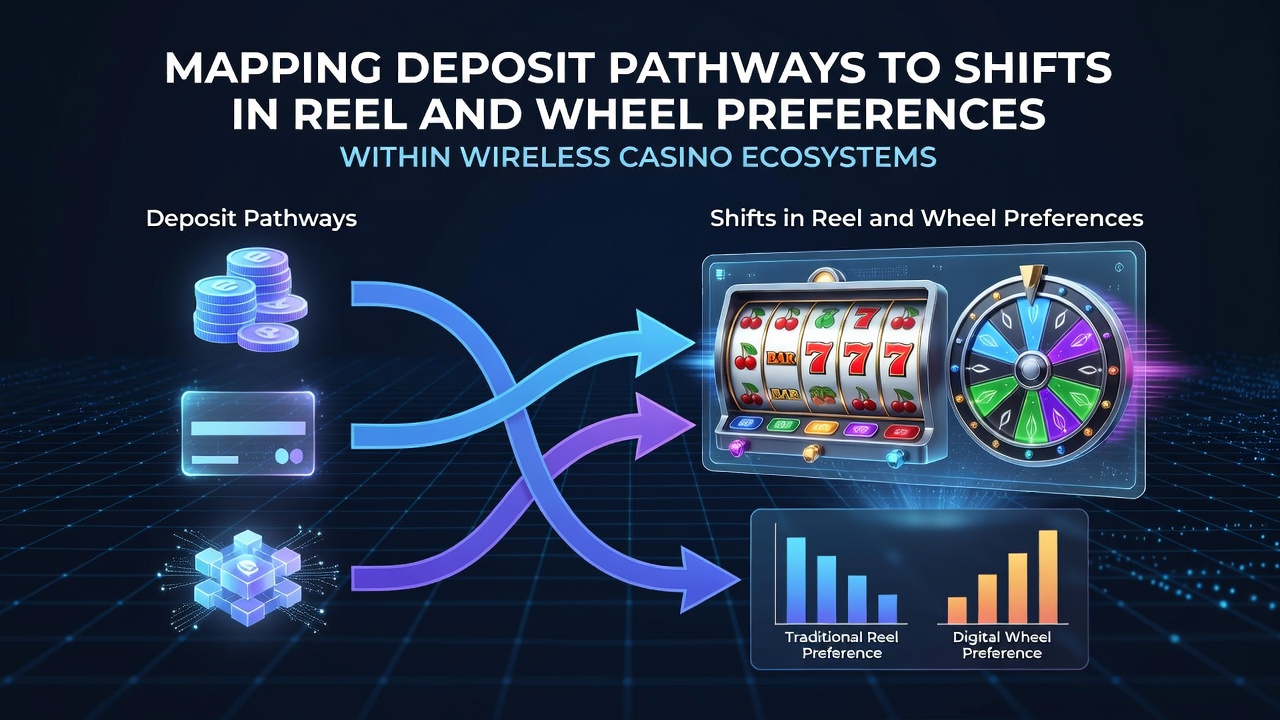
Payment methods range from traditional credit and debit cards to e-wallets, bank transfers, and cryptocurrency options, and each route carries distinct processing times plus fee profiles that influence how users allocate their playtime once funds reach the account. Research indicates that faster pathways often correlate with increased trial of wheel games, whereas slower or higher-cost methods tend to steer activity toward reel formats that accommodate extended sessions without rapid balance depletion.
According to reports from the iGaming Ontario regulatory body, mobile deposit volumes in the province rose steadily through the first half of 2026, with e-wallet transactions showing particular strength in supporting shorter, higher-frequency roulette rounds. Those patterns align with broader North American trends where transaction friction directly affects game type distribution.
How Transaction Characteristics Drive Game Selection
Deposit speed emerges as a primary variable because instant funding allows players to move immediately into time-sensitive wheel games that reward quick decisions, while delayed clearances push activity toward slot reels that tolerate intermittent play. Cost structures add another layer, since methods carrying visible fees frequently prompt users to stretch balances across longer reel sessions rather than risk smaller increments on roulette spins.
Figures from Australian regulatory sources demonstrate that players using bank transfers in wireless environments recorded higher average session durations on reel titles compared with those employing instant e-wallets, and similar linkages appear in Canadian provincial data released during July 2026. These correlations hold across age groups and device types, suggesting structural rather than demographic drivers.
Regional Patterns Observed in 2026
European markets tracked by the Malta Gaming Authority reveal parallel movements, with cryptocurrency deposits linking to elevated roulette participation rates on smartphones while card-based routes sustain steady reel engagement. Observers tracking these metrics note that July data reinforced earlier quarterly findings without introducing major deviations, indicating stable underlying relationships between funding routes and title preferences.
Platform Design and User Behavior Intersections
Operators structure welcome bonuses and reload offers around specific payment types, which in turn nudges selection patterns, and studies from academic gaming research centers show that when platforms highlight instant e-wallet bonuses, roulette wheel activity increases measurably within the same user cohort. Reel preferences remain resilient when promotions tie to card or bank methods that carry longer settlement windows.
Device-level telemetry collected across multiple operators indicates that users switching between funding sources mid-month often adjust their game mix accordingly, moving toward wheel formats after adopting faster pathways and reverting to reels when returning to traditional routes. Such behavioral elasticity appears consistent in datasets spanning the United States, Canada, and Australia.
Implications for Ecosystem Analytics
Tracking these intersections allows operators to refine interface layouts and promotional timing, while regulatory bodies gain clearer visibility into how payment ecosystems shape overall engagement profiles. Data released in July 2026 from multiple jurisdictions underscores that mapping deposit pathways yields predictive value for forecasting title popularity shifts without requiring additional survey instruments.
Cross-border comparisons further illustrate that markets with diverse approved payment options exhibit broader distribution across reel and wheel categories, whereas regions limited to fewer methods display more concentrated preferences aligned with those available routes. This geographic variation supplies natural experiments for ongoing analysis.
Conclusion
Payment pathway characteristics continue to function as reliable predictors of game-type distribution within wireless casino ecosystems, and evidence accumulated through July 2026 confirms that transaction speed, fees, and promotional alignment drive measurable movements between reel and wheel preferences. Continued monitoring across regulatory jurisdictions will refine these mappings and support more precise platform optimizations.