Interface Design Dynamics: Mobile Navigation's Role in Shifting Between Slot and Live Dealer Experiences
Written by Harper Schmidt · Jul 30, 2026
Interface Design Dynamics: Mobile Navigation's Role in Shifting Between Slot and Live Dealer Experiences
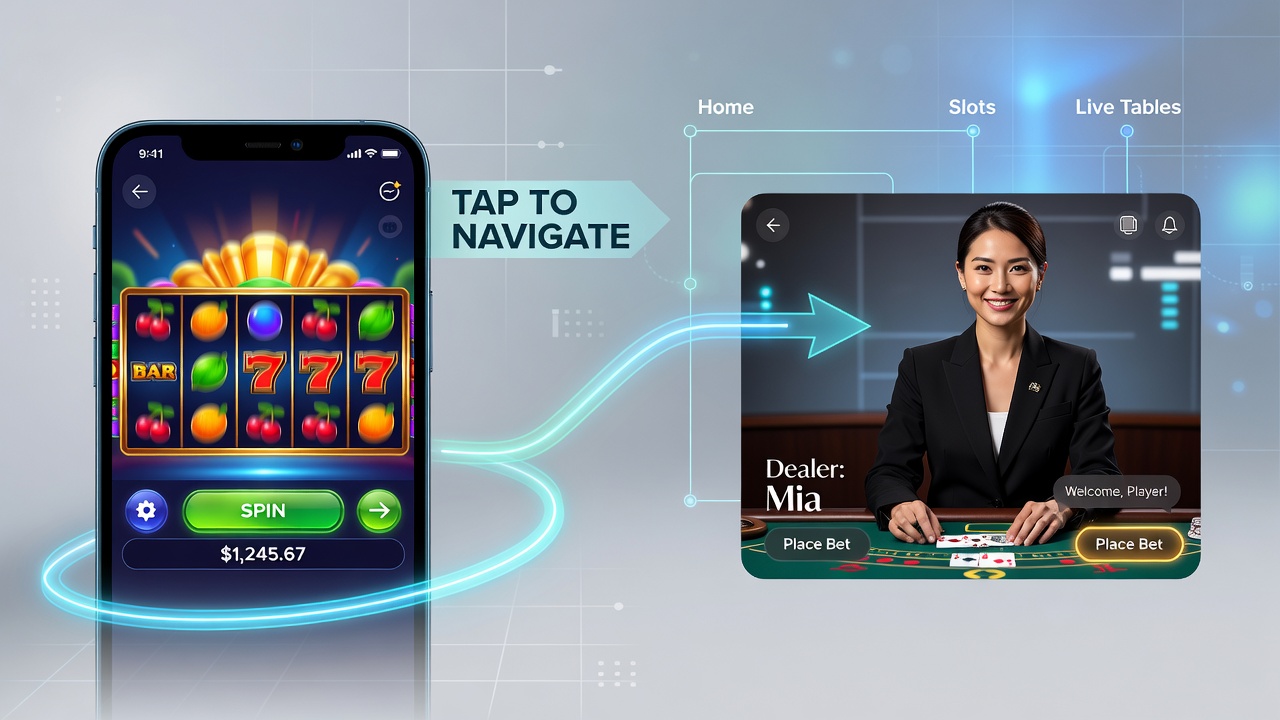
Data from multiple industry analyses reveals that menu structures and swipe gestures in mobile casino applications often determine how quickly users move from spinning reels to joining live dealer sessions, with seamless transitions occurring when categories sit within one or two taps. Observers note that bottom navigation bars featuring distinct icons for slots and tables reduce friction, allowing players to switch formats without leaving the main screen, while tabbed layouts buried under submenus tend to extend time spent in one category before a shift happens.
Core Elements of Mobile Navigation in Casino Apps
Studies conducted across North American and European platforms indicate that hamburger menus combined with quick-access carousels guide initial selections, yet persistent side panels or floating action buttons encourage repeated movement between game types. In July 2026, aggregated figures from several operators demonstrated that apps employing persistent category switches recorded average session lengths 18 percent longer than those relying solely on search functions, because users encountered live dealer prompts while still engaged with slot sequences. Researchers at gaming technology conferences have pointed out that color-coded sections and predictive loading of table interfaces further streamline these changes, since visual cues help players anticipate the next format without additional confirmation steps.
Patterns in Slot Machine Sessions and Subsequent Shifts
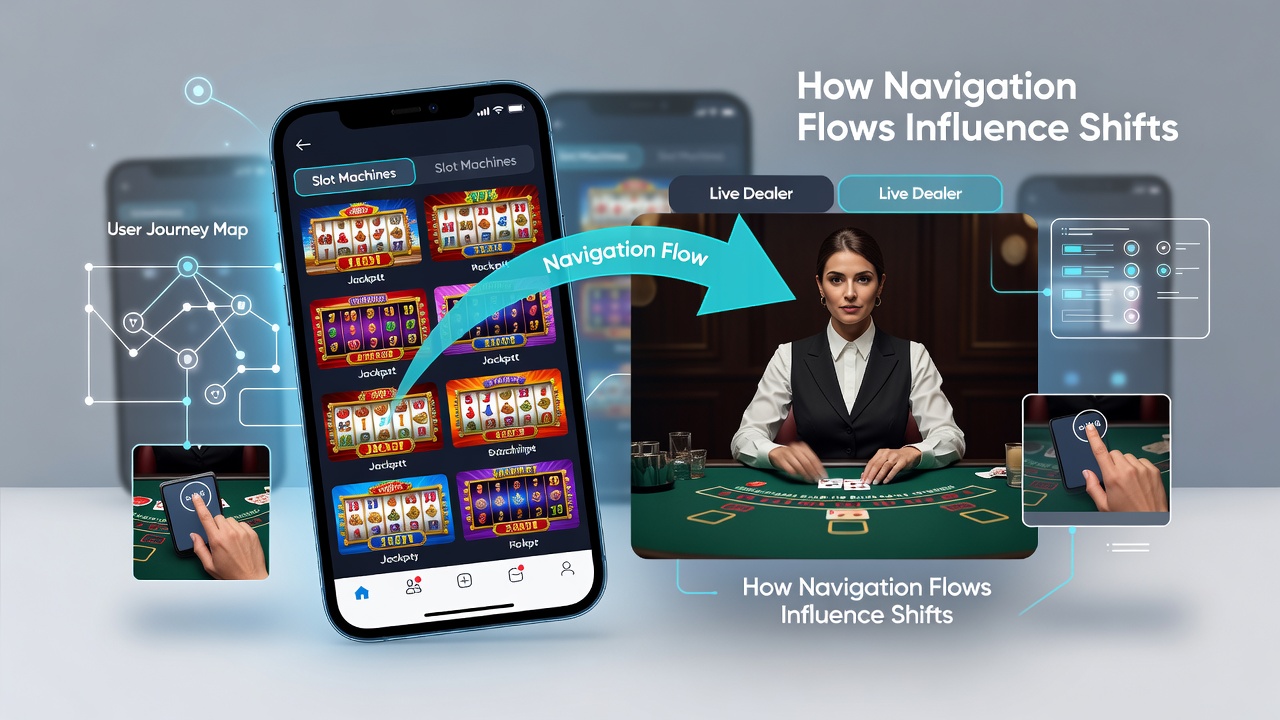
Evidence collected from user interaction logs shows that slot-focused interfaces with infinite scroll and autoplay toggles keep participants engaged for extended periods, yet integrated "switch to live" prompts placed at win milestones prompt earlier departures toward dealer tables. One analysis of portable reel ecosystems found that reward notifications appearing as overlay banners rather than separate pages increased the likelihood of format changes within the same session by directing attention to ongoing table games. Those who examined retention metrics across handheld applications discovered that session data collected through July 2026 reflected higher transition rates when navigation allowed simultaneous visibility of both slot reels and table thumbnails on a single dashboard view.
Transitions Toward Live Dealer Tables via Interface Cues
According to reports issued by the Australian Gambling Research Centre, navigation flows that preload video streams for live tables while users remain in slot mode cut loading delays and therefore raise the rate at which players initiate dealer interactions. Canadian provincial data similarly highlights that gesture-based swipes from horizontal slot layouts into vertical table grids produce measurable upticks in cross-format activity, particularly when the gesture feels consistent with other mobile applications. Observers tracking July 2026 activity noted that apps incorporating real-time dealer availability indicators within the slot lobby experienced more frequent shifts, because players received immediate visual confirmation that tables awaited them without navigating through multiple confirmation screens.
Supporting Data and Regional Comparisons
Figures released by the Nevada Gaming Control Board illustrate that mobile operators implementing unified search bars across slots and live categories recorded elevated movement between game types during the first half of 2026. A separate examination published by the European Gaming and Betting Association revealed comparable patterns in markets where regulatory frameworks encourage transparent interface testing, showing that users completed more format changes when breadcrumb trails remained visible throughout navigation. These findings align with interaction studies indicating that reduced tap counts between categories correlate with shorter dwell times in any single game type before a switch occurs.
Additional Factors Affecting Flow and Selection
Device orientation changes, push notification timing, and account balance displays placed near navigation controls all contribute to how readily players move between slots and live dealer environments. Research indicates that portrait-mode interfaces with collapsible filters allow quicker access to table wait times, while landscape views optimized for slot reels sometimes require an extra rotation step that delays transitions. Data collected through July 2026 further suggests that integration of loyalty point counters within navigation headers can nudge users toward live tables when point thresholds become visible during slot play, prompting format exploration without leaving the current screen.
Conclusion
Overall patterns documented in recent analyses demonstrate that deliberate placement of navigation elements directly influences the frequency and speed of shifts between slot machines and live dealer tables on mobile devices. Operators who align menu designs with observed user pathways continue to see measurable differences in how players distribute their time across formats, with interface adjustments producing consistent effects across varied regulatory regions. Continued monitoring of these flows through the latter half of 2026 will likely provide further clarity on optimal structures for supporting fluid movement between game categories.