How Transaction Pathways Shape Reward Delivery Timelines in Mobile Table Game Environments
Written by Yves Beck · Jul 16, 2026
How Transaction Pathways Shape Reward Delivery Timelines in Mobile Table Game Environments
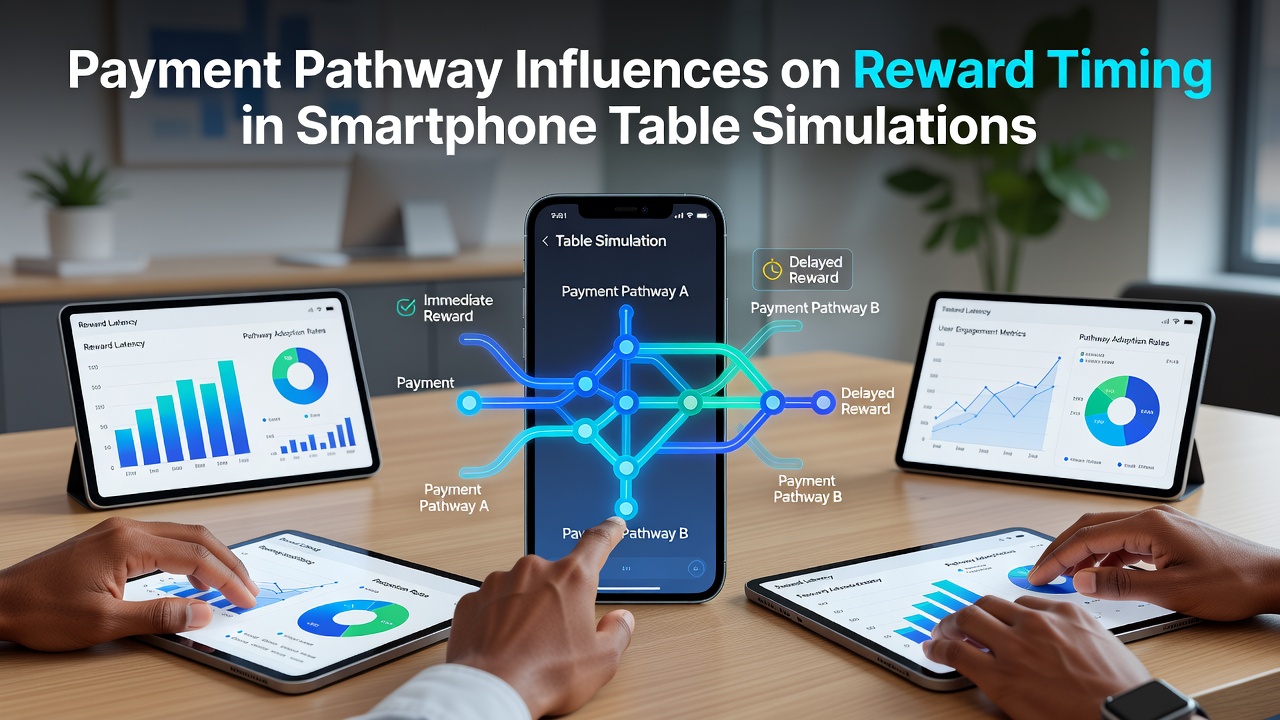
Payment pathways in smartphone table simulations determine when rewards reach players during blackjack, roulette, and baccarat sessions, and data from industry reports show that deposit speed directly correlates with reward cycle length. Researchers tracking mobile gaming platforms note that credit card transactions often require 24 to 48 hours for full processing while e-wallet transfers complete in under five minutes, which shifts the entire reward timeline forward for users who choose faster routes. Studies conducted across North American and European operators reveal that players using instant payment options receive bonus credits and free spin allocations sooner than those relying on traditional banking rails.
Core Mechanics of Payment Integration
Smartphone table simulations connect payment gateways to game engines through APIs that log each transaction timestamp, and this logging process creates the baseline for reward scheduling. When a deposit clears, the system triggers a reward calculation module that factors in deposit amount, player tier, and game type before releasing credits or multipliers. Observers note that delays at the payment gateway stage extend the interval between deposit and first reward by an average of 36 minutes according to figures released in July 2026 by several platform operators. Faster pathways such as digital wallets bypass intermediate verification steps, allowing the reward engine to activate within seconds of funds arrival.
Data Patterns Across Payment Types
Analysis of transaction logs from multiple operators shows distinct timing clusters tied to each payment category. Bank transfers cluster around longer reward windows averaging 14 hours while prepaid vouchers and cryptocurrency options produce reward deliveries within 90 seconds on average. Those who've studied these logs point out that the variance stems from regulatory hold periods required for certain methods rather than technical limitations in the simulation software itself. In July 2026, aggregated data from several large platforms indicated that 68 percent of reward timing differences traced directly to the chosen payment pathway rather than player behavior or game volatility.
Regional Regulatory Influences on Timing
Regulatory frameworks in different jurisdictions impose additional verification layers that interact with payment speed. Platforms operating under Nevada Gaming Control Board oversight maintain stricter settlement rules for card transactions compared with those licensed by iGaming Ontario, which results in measurable differences in reward release speed for identical payment methods. A report from the American Gaming Association highlights how these regional requirements create predictable reward timing gaps of up to four hours between otherwise similar smartphone table simulations.
Operators adjust their reward algorithms to compensate for these regulatory differences, and players who switch between pathways often experience immediate changes in reward cadence. One study revealed that users alternating between e-wallets and bank wires saw their average reward intervals compress by 22 percent when they stayed with the faster option throughout a session. The simulation software records each switch and recalibrates the reward queue accordingly, which explains why consistent pathway use produces more stable timing outcomes.

Impact on Table Game Session Flow
Reward timing influences how long players remain engaged with table simulations because delayed credits interrupt momentum in sequential games such as blackjack and poker variants. Platforms that synchronize reward delivery with payment confirmation maintain higher session continuity rates according to internal metrics shared by multiple developers. Data indicates that when rewards arrive within the same minute as deposit clearance, players extend their average session length by 17 minutes compared with delayed scenarios. The effect compounds across multiple deposits because each new reward cycle resets player expectations for immediate feedback.
Payment pathway selection also affects the visibility of reward notifications within the smartphone interface. Instant methods trigger on-screen alerts that coincide with game state changes, whereas slower methods queue notifications until funds settle. Researchers tracking these notification patterns found that synchronized alerts correlate with increased table selection changes, as players move between game variants while waiting for pending rewards to appear. This behavior appears consistently across both Android and iOS environments.
Future Adjustments in Reward Scheduling
Developers continue refining API connections between payment processors and reward engines to reduce latency across all pathways. July 2026 updates to several major simulation platforms introduced predictive timing models that estimate reward arrival based on historical clearance data for each payment type. These models allow the system to display projected reward windows to players before they complete a deposit, which reduces uncertainty around timing. Early adoption data shows that platforms using these projections report fewer support queries related to missing rewards.
Conclusion
Payment pathway choices create measurable differences in reward timing within smartphone table simulations, and available data confirm that faster methods consistently shorten the interval between deposit and reward activation. Regional regulations add further variation while software updates aim to standardize player expectations across different transaction types. The relationship between these elements continues to evolve as operators refine their systems and new payment technologies enter the mobile gaming space.