Exploring Links Between Payment Routes and Shifts in Mobile Live Game Preferences
Written by Quinn Long · Aug 11, 2026
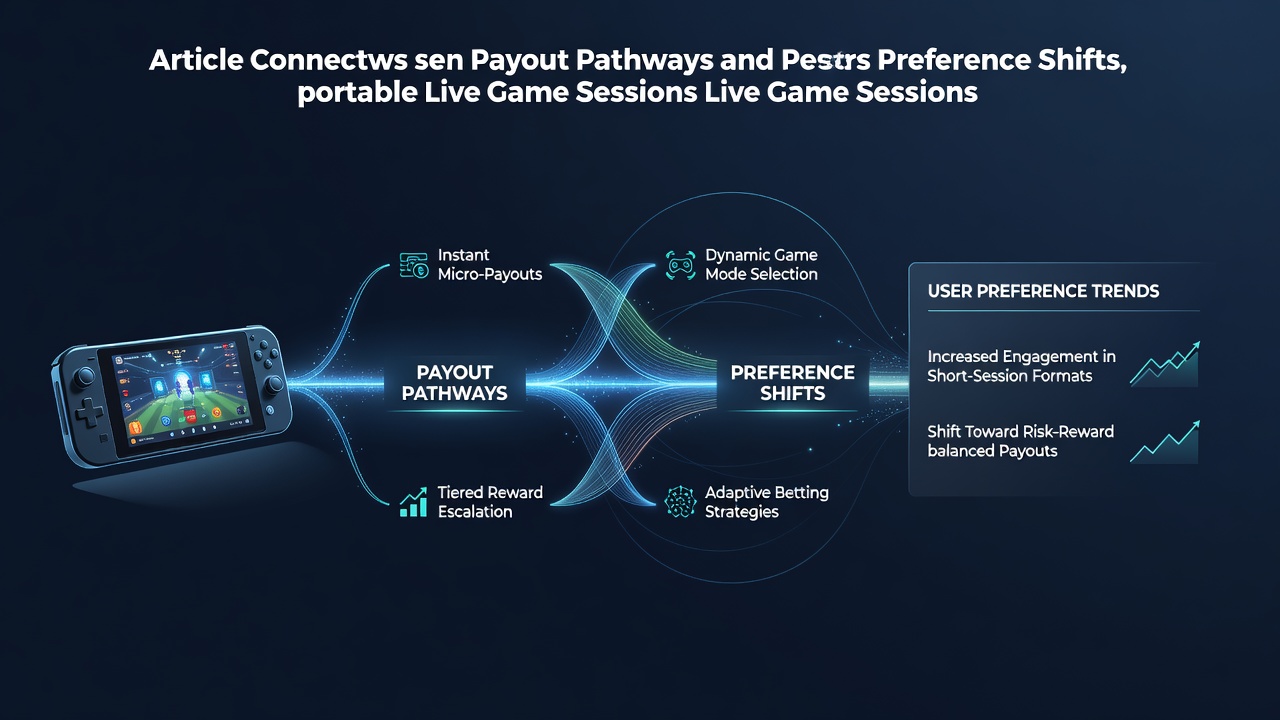
Exploring Links Between Payment Routes and Shifts in Mobile Live Game Preferences
Payment routes in portable live game sessions encompass everything from instant e-wallet transfers to bank-linked withdrawals that players access through apps on their devices, and data from recent industry analyses show these routes often correlate with changes in game selections over time. Observers note that when payout speeds vary, users tend to gravitate toward certain live dealer formats like blackjack or roulette wheels that align with quicker transaction cycles, while slower pathways prompt switches to table games with extended betting rounds.
Research from regulatory bodies indicates that in August 2026 mobile platforms recorded notable upticks in preference for card-based live sessions among users who relied on cryptocurrency channels for deposits and withdrawals, whereas traditional card payments linked to more conservative shifts toward wheel games. Those who've examined session logs across multiple operators find that seamless payout integrations reduce friction and encourage longer stays in high-stakes environments, but delays in processing can lead to abrupt changes in favored titles within the same session.
Payment Speed as a Driver of Selection Patterns
Studies compiled by gaming authorities across North America reveal that faster payout pathways, including those tied to digital wallets, coincide with increased engagement in live dealer blackjack interfaces on handheld devices, and this pattern holds steady even as overall session volumes fluctuate month to month. What's interesting is how these speeds interact with reward timing, since players who experience near-instant credits often experiment with multiple table types before settling on one format for extended play.
Yet when pathways involve multi-step verifications common in certain regional banking systems, data shows a measurable drift toward simpler wheel-based games that require fewer decisions per round. Figures from the New Jersey Division of Gaming Enforcement highlight that portable sessions using expedited routes averaged higher table variety per user compared to those dependent on standard ACH transfers, which tended to cluster activity around fewer options.
Regional Variations in Pathway Impacts
European operators have documented similar trends where localized payment regulations shape how preferences evolve in live mobile environments, and analysts point to differences between instant SEPA options prevalent in some markets versus card-based methods that introduce slight lags. According to reports from the Malta Gaming Authority, sessions incorporating rapid payout confirmations saw elevated selections of interactive card games among users aged 25 to 40, while slower routes aligned with steadier roulette preferences across broader demographics.
One study revealed that Australian users accessing live dealer platforms through integrated banking apps demonstrated quicker shifts away from slower withdrawal formats toward those supporting instant redemptions, and this adjustment often occurred within the first three sessions. Researchers discovered these patterns persist across time zones because portable access allows real-time monitoring of balances that directly influences next-game choices.
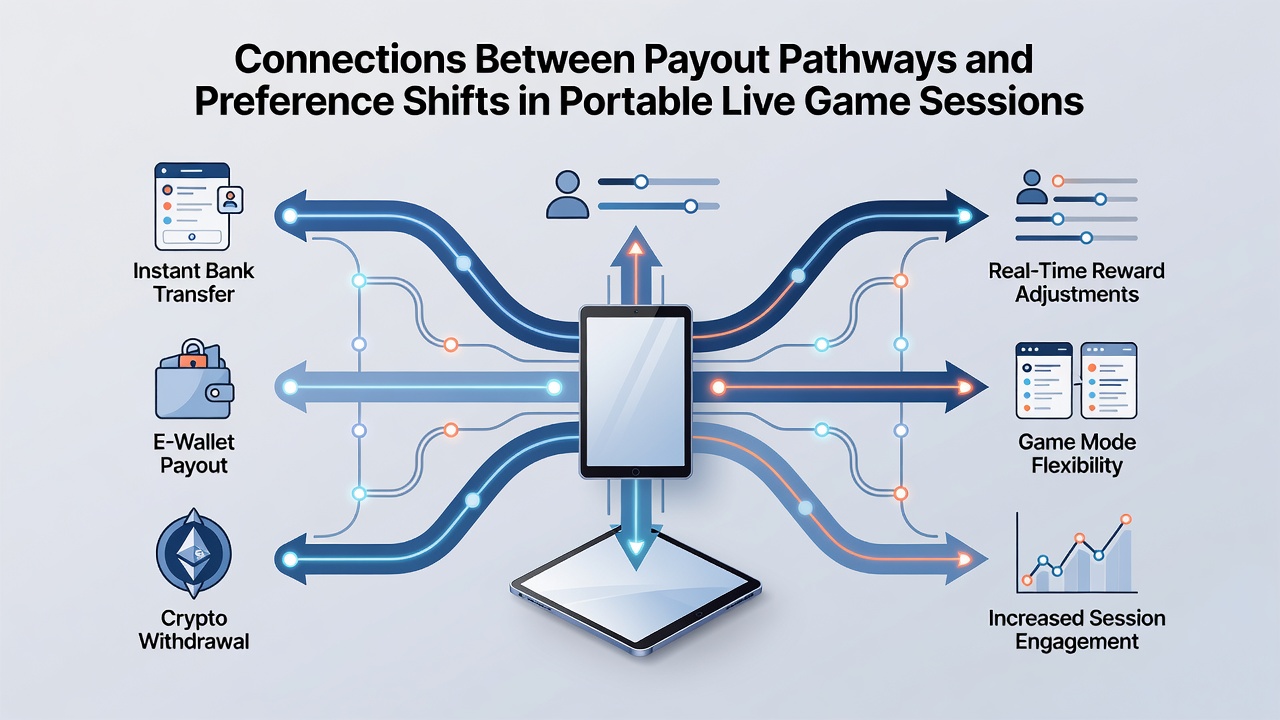
Integration with Reward Cycles and Engagement Metrics
Evidence suggests that payout pathways intersect with reward delivery mechanisms in ways that amplify or dampen preference adjustments, since instant credits from successful withdrawals frequently coincide with trials of new live variants. Data indicates operators tracking these intersections report that players using expedited routes complete more cycles of play before pausing, leading to organic explorations of different dealer styles and betting limits.
But here's the thing: when pathways encounter temporary holds due to verification protocols, users often revert to previously favored formats rather than venturing into unfamiliar live tables. Figures reveal that in portable environments this reversion happens more rapidly than on desktop setups because mobile interfaces prioritize quick navigation between options.
Technological Factors Influencing Pathway Effectiveness
Advancements in app-based security protocols have streamlined many payout routes, and this evolution ties directly into observed preference stability or flux during live sessions. Those who've studied transaction logs note that biometric confirmations paired with certain wallet services correlate with sustained interest in complex card games, whereas basic password methods sometimes prompt switches to less demanding wheel formats mid-session.
Industry organizations such as the European Gaming and Betting Association have compiled datasets showing regional adoption rates of these technologies affect how quickly players adapt their selections, with higher integration levels supporting more fluid transitions between game types. Observers note that as these systems mature, the connections between pathway reliability and preference consistency become clearer across portable platforms.
Conclusion
Overall patterns demonstrate that payout pathways serve as key variables in how preferences develop within portable live game sessions, with speed, integration quality, and regional regulations all contributing measurable effects. Data from multiple sources continues to map these relationships, providing operators with clearer insights into session dynamics as mobile adoption grows through 2026 and beyond.