Examining Linkages Between Sequential Reward Cycles and Extended Engagement Patterns in Handheld Gaming Applications
Written by Yves Beck · May 24, 2026
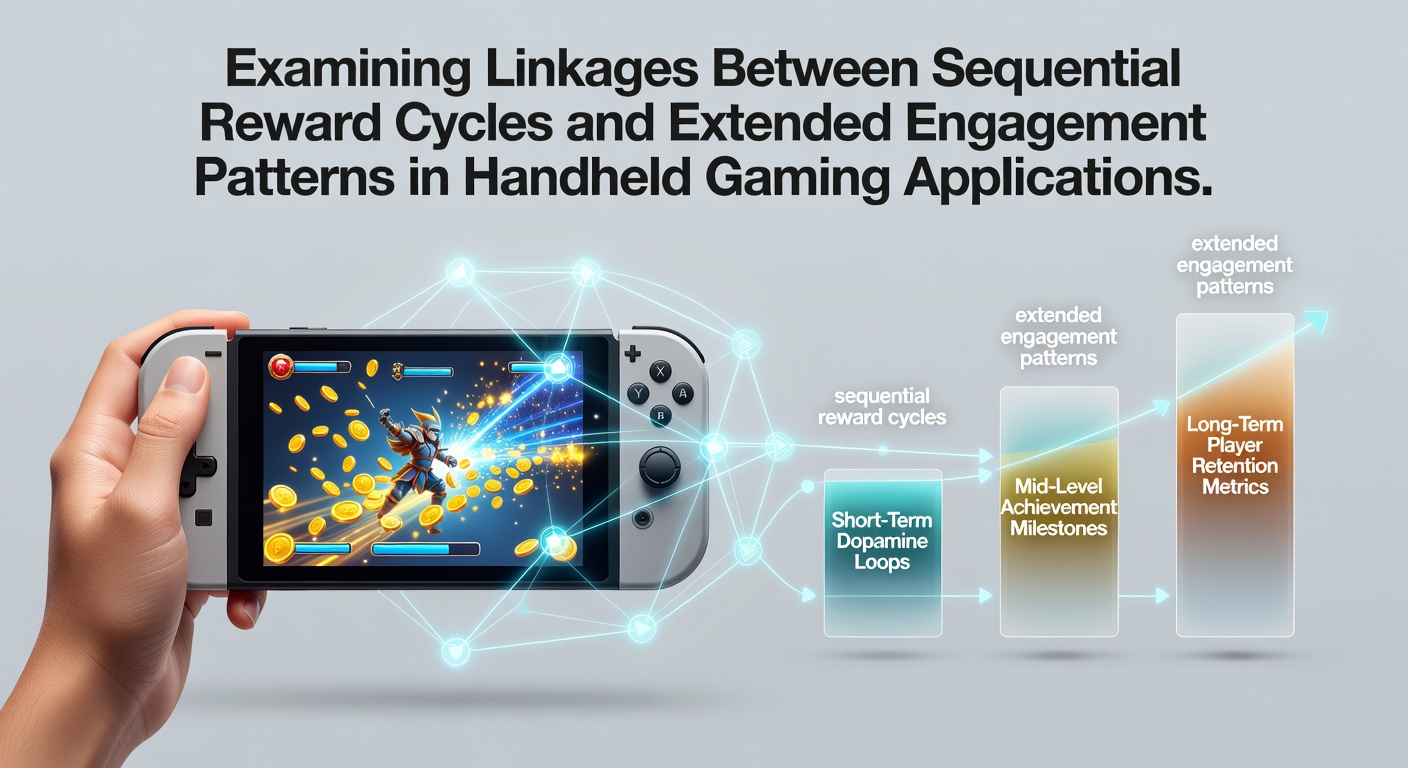
Examining Linkages Between Sequential Reward Cycles and Extended Engagement Patterns in Handheld Gaming Applications
Sequential reward cycles in handheld gaming applications operate through structured sequences of incentives that prompt users to return at regular intervals, and these mechanisms connect directly to patterns of extended engagement where play sessions lengthen over successive days or weeks. Developers implement daily login bonuses, streak multipliers, and progressive challenges that build cumulatively, while data from industry tracking shows these elements correlate with higher retention rates across popular mobile titles. As of May 2026, reports indicate that applications incorporating such cycles maintain user activity levels 20 to 30 percent above those without similar structures, according to analyses from the Entertainment Software Association.
Core Mechanics of Reward Sequencing
Handheld games deploy reward cycles in tiers that escalate with continued participation, starting with simple daily check-ins that unlock basic items and advancing to multi-day streaks that grant premium resources or exclusive content. These sequences rely on variable ratio schedules where rewards appear unpredictably yet frequently enough to sustain momentum, and researchers have documented how this design mirrors principles observed in behavioral studies on reinforcement. Players encounter escalating goals that reset periodically but offer carryover benefits, which encourages consistent logins without requiring continuous play in a single sitting.
Applications such as puzzle adventures and simulation titles integrate these cycles through push notifications that highlight accumulating progress, and this approach ties into broader user habit formation where initial short interactions expand into prolonged sessions. Evidence from platform analytics reveals that users who complete at least five consecutive daily rewards show session durations increasing by an average of 15 minutes within the first two weeks of engagement.
Connections to Prolonged User Activity
Extended engagement patterns emerge when sequential rewards align with user goals, prompting individuals to extend playtime in pursuit of the next milestone in the cycle. Studies conducted by academic groups at institutions including the University of Melbourne have tracked how these linkages manifest in metrics like total time spent and frequency of returns, with findings indicating that reward accumulation reduces churn rates during the critical first month after download. Observers note that the psychological pull of nearing a streak completion often leads users to initiate sessions they might otherwise skip, thereby compounding overall engagement across the application ecosystem.

Patterns become particularly evident in games that layer social elements onto reward sequences, such as leaderboards for streak maintenance or cooperative challenges that distribute bonuses based on group participation. Data indicates these combinations amplify session lengths further because users invest additional time coordinating with others to maximize collective rewards. In May 2026, updated figures from the Interactive Games and Entertainment Association highlighted that titles emphasizing social reward cycles experienced a 25 percent lift in average daily active users compared to solitary reward designs.
Platform Data and Observed Trends
Analytics platforms report that handheld gaming applications with refined sequential reward systems achieve higher conversion from casual to committed users, where initial trial periods transition into habitual routines supported by predictable yet rewarding progression. Research published through the Interactive Games and Entertainment Association demonstrates clear correlations between cycle completion rates and metrics like weekly time investment, showing that users finishing multiple reward tiers log 40 percent more hours than those who disengage early. European data compiled by the Interactive Software Federation of Europe reinforces these observations across regional markets, with similar patterns appearing in both free-to-play and premium mobile titles.
Developers adjust cycle parameters based on A/B testing that measures drop-off points, and this iterative process refines how rewards distribute to sustain momentum without overwhelming players. Those who have examined large-scale datasets note that optimal cycle lengths typically span seven to 14 days before introducing new sequences, allowing time for habit consolidation while preventing fatigue. Engagement extends further when rewards include customization options that carry personal value, turning routine logins into opportunities for deeper investment in the game's world.
Conclusion
Linkages between sequential reward cycles and extended engagement patterns in handheld gaming applications rest on measurable design choices that influence user behavior through consistent, escalating incentives. Platform reports and academic examinations continue to map these connections across diverse game genres, revealing how structured progression supports sustained activity levels. As developers refine these systems in response to ongoing data from 2026, the patterns offer clear indicators of how reward sequencing shapes long-term interaction in mobile environments.