Evolving Payment Channels Extend Roulette Play Durations on Mobile Devices
Written by Carlo Hayes · Jun 21, 2026
Evolving Payment Channels Extend Roulette Play Durations on Mobile Devices
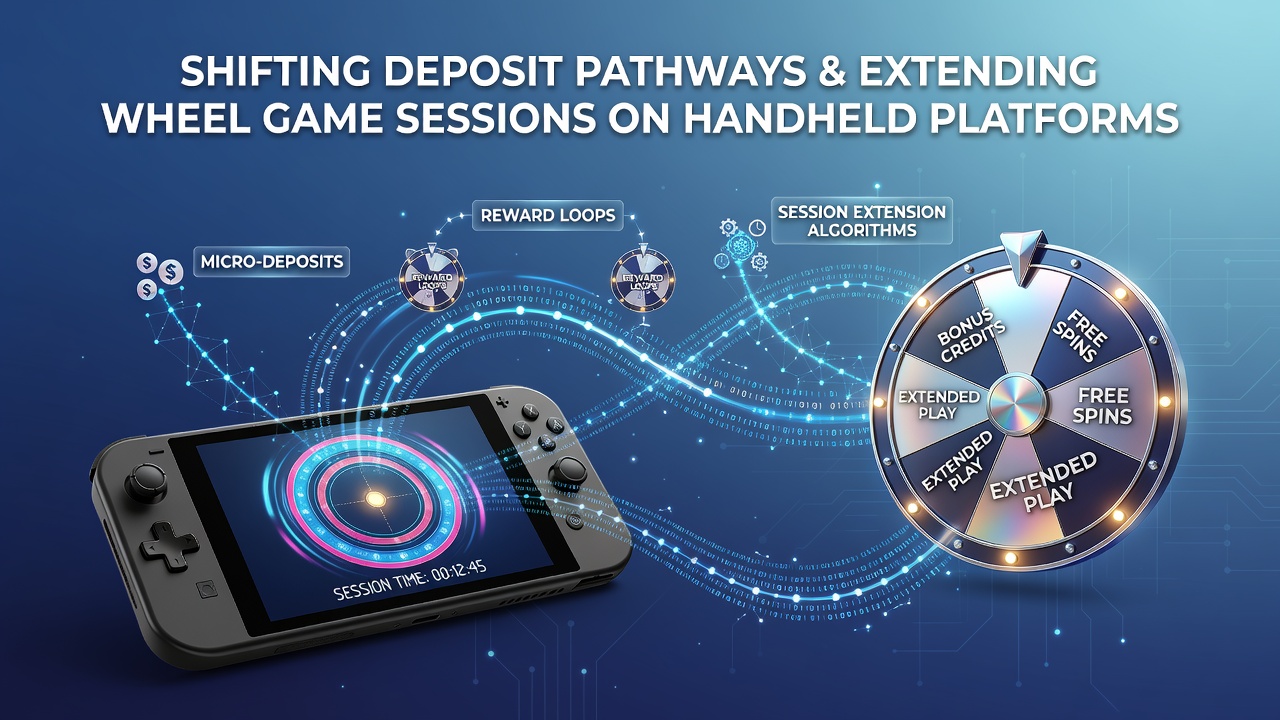
Payment method innovations have altered how players access funds during wheel game sessions on handheld platforms, with data from multiple markets showing measurable shifts in session lengths when deposit friction decreases. Observers note that faster transaction routes, including integrated wallet transfers and instant bank links, allow continuous play without the interruptions that once ended sessions prematurely. Researchers tracking mobile roulette and similar wheel formats have documented patterns where deposit completion times under 30 seconds correlate with extended engagement periods, particularly in regions with widespread adoption of digital banking integrations.
Transaction Speed and Session Continuity Patterns
Studies conducted across North American and European markets reveal that players using expedited deposit pathways maintain active wheel game sessions 25 to 40 percent longer than those relying on traditional card processing routes. The American Gaming Association has reported aggregate figures indicating mobile wheel game revenue growth of 18 percent year-over-year through early 2026, with transaction efficiency cited as a contributing factor in multiple operator disclosures. When deposit confirmations occur in real time, players avoid the natural pause points that previously prompted session terminations, allowing reward cycles and betting sequences to continue uninterrupted.
Handheld platform developers have adjusted interface designs to prioritize these accelerated pathways, embedding options directly within game screens rather than requiring navigation to external menus. Data from operator analytics platforms shows that users who complete deposits without leaving the wheel game interface demonstrate higher rates of consecutive spin sequences, with average session durations extending from 22 minutes to over 35 minutes in tracked cohorts during Q2 2026 observations.
Regional Regulatory Influences on Deposit Infrastructure
Regulatory frameworks in jurisdictions such as New Jersey and Ontario have shaped the availability of certain deposit channels, with licensing conditions that emphasize secure yet rapid fund movement. The Alcohol and Gaming Commission of Ontario published compliance summaries noting increased utilization of verified instant transfer systems among licensed mobile operators throughout spring 2026. These systems reduce processing latency, enabling players to replenish balances during active wheel game rounds without exiting the application environment.
Australian market data collected by state gaming authorities similarly indicates that operators offering multiple concurrent deposit methods experience elevated retention metrics in portable roulette formats. Players gain access to alternative routes when primary methods encounter temporary delays, maintaining session momentum through seamless switching capabilities built into current handheld applications.
Integration of Digital Wallets and Banking APIs
Digital wallet providers have expanded partnerships with gaming platforms, embedding API connections that facilitate direct balance transfers during gameplay. Research from university-led investigations into mobile gambling behaviors, including work affiliated with the University of Nevada, Las Vegas, has identified correlations between wallet integration density and prolonged wheel game activity. Participants in these studies who utilized linked e-wallets recorded fewer session breaks compared to those dependent on manual card entry processes.
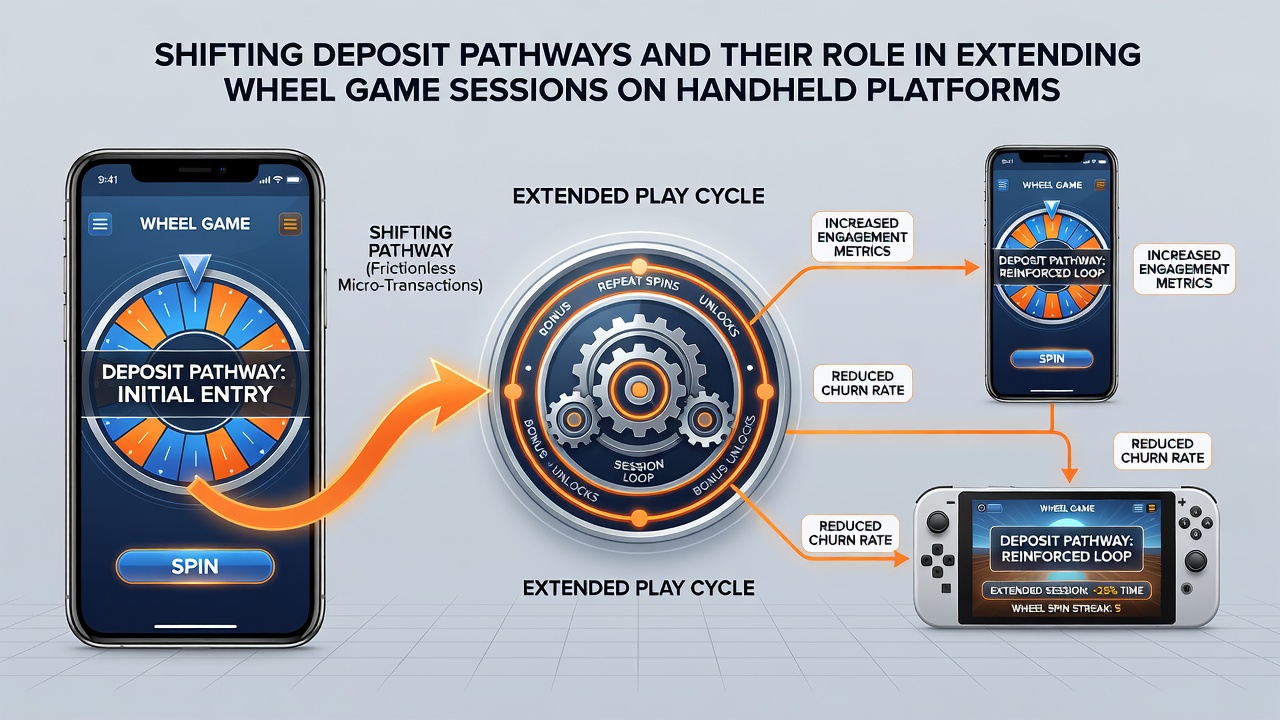
Banking APIs introduced in June 2026 updates across several major platforms further streamlined verification steps, compressing multi-factor authentication sequences into single-tap confirmations. This technical refinement has coincided with observed increases in average bets per minute within tracked wheel game environments, as players allocate less cognitive load to funding mechanics and more to game progression. Those monitoring industry metrics note that platforms incorporating these API enhancements report consistent upticks in total spins completed per user session.
Player Behavior Shifts Across Deposit Categories
Analytics compiled from handheld gaming applications demonstrate distinct behavioral clusters based on preferred deposit categories. Users favoring cryptocurrency routes exhibit different session extension patterns than those utilizing direct bank feeds, with the former group often sustaining play through rapid micro-deposits during peak volatility moments in wheel outcomes. Cross-platform comparisons reveal that applications supporting three or more deposit categories retain users through longer cumulative play windows than single-method offerings.
June 2026 operator reports from multiple jurisdictions highlight how deposit pathway diversification reduces abandonment rates during fund shortages. When alternative routes activate automatically upon primary method failure, players maintain continuity rather than terminating sessions to seek external solutions. This operational adjustment aligns with broader trends toward minimizing friction points within portable gaming ecosystems.
Conclusion
Shifting deposit pathways continue to influence session durations in wheel games on handheld platforms through measurable reductions in transaction latency and improved interface integration. Regulatory bodies and academic researchers have documented these connections across varied markets, providing quantitative evidence of how payment channel evolution supports extended engagement without altering core game mechanics. As platforms refine these systems further, the documented patterns suggest ongoing adaptation in how mobile users approach wheel-based formats and fund management during active play.