Digital Dealer Dynamics: How Payout Pathways Shape Choices in Smartphone-Based Card and Wheel Games
Written by Harper Schmidt · Jun 11, 2026

Digital Dealer Dynamics: How Payout Pathways Shape Choices in Smartphone-Based Card and Wheel Games
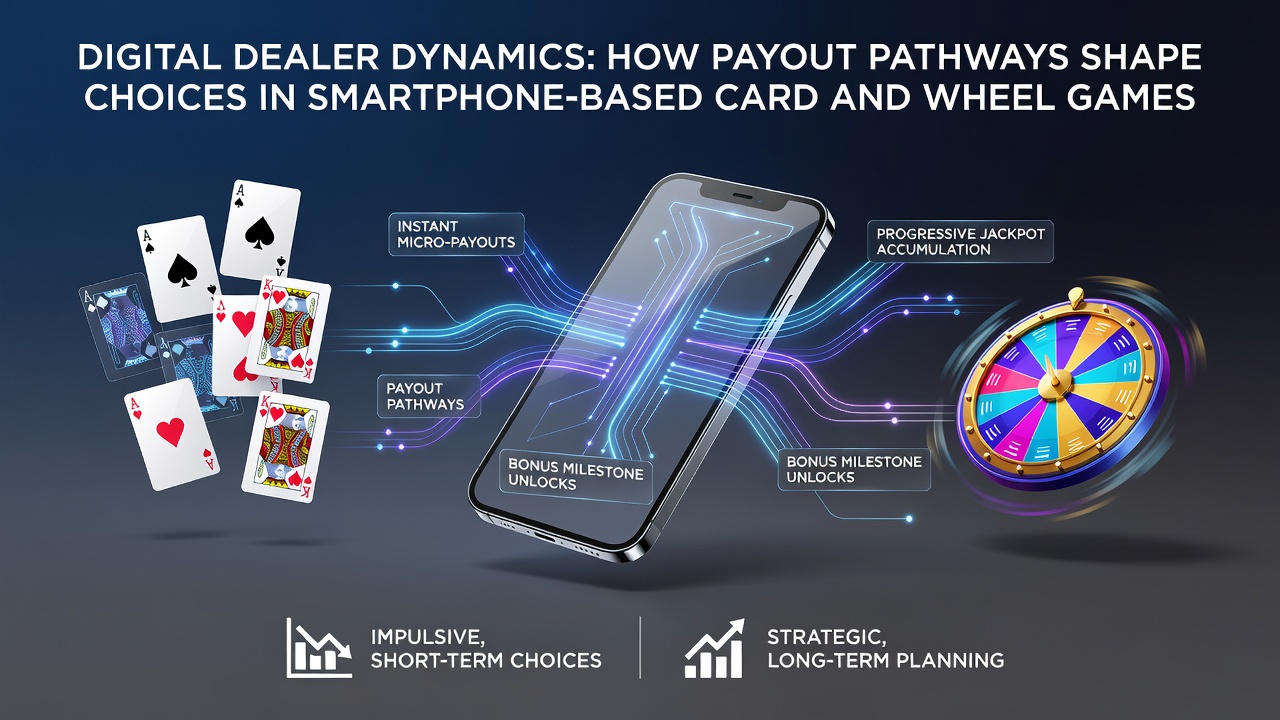
Smartphone-based card and wheel games have expanded rapidly, and payout pathways now influence player decisions in measurable ways across blackjack, baccarat, and roulette formats. Payment speed, fee structures, and integration methods affect session length, game selection, and deposit frequency according to multiple industry reports. Observers note that players frequently adjust their choices based on how quickly funds reach their accounts after a win, while transaction costs and security features add further variables to the equation.
Payment Speed and Session Patterns
Data from regulatory filings show that instant payout options correlate with extended play periods in mobile environments. When funds clear within minutes, participants often return to the same game type rather than switching to slower-loading alternatives. In contrast, options that require 24 to 48 hours for processing tend to prompt shorter sessions followed by deliberate pauses before the next deposit. Researchers tracking usage patterns in June 2026 recorded higher average bet volumes per session among users who selected e-wallet routes compared with those relying on traditional bank transfers.
Wheel games such as roulette demonstrate particular sensitivity to these timings. Quick settlement encourages repeated spins within a single sitting, whereas delayed pathways lead users to switch to card games that allow more strategic pacing. Card formats like blackjack show similar trends, though the effect appears less pronounced because decision-making intervals already stretch between hands.
Fee Structures and Game Selection
Transaction fees attached to certain payout methods also steer choices. Platforms that absorb processing costs for specific digital wallets see increased traffic toward roulette variants, while higher-fee bank routes correspond with greater engagement in lower-stake blackjack tables. Figures released by the New Jersey Division of Gaming Enforcement indicate that fee transparency influences deposit size, with smaller, more frequent transfers occurring when costs remain visible at the point of withdrawal.
Those who study mobile interfaces report that clear fee displays reduce hesitation during checkout, allowing smoother transitions between deposit and play. In regions where multiple licensed operators compete, this clarity becomes a deciding factor for users comparing apps side by side.
Security Features and User Trust
Security protocols embedded in payout systems further shape preferences. Two-factor authentication paired with biometric confirmation tends to increase comfort levels for larger withdrawals, prompting players to select higher-limit tables in both card and wheel categories. When verification steps feel cumbersome, participants often default to smaller-stake games or reduce overall activity until the process simplifies.
Studies conducted across North American and European markets reveal that trust signals displayed during the withdrawal stage affect return rates more than promotional offers alone. Players who complete a verified payout once show higher likelihood of repeating the same game type on subsequent visits.
Regional Regulatory Influences
Regulatory frameworks in different jurisdictions add another layer. Markets requiring operators to offer multiple payout timelines see broader distribution of player activity across game categories. In June 2026, updates from several Canadian provincial regulators highlighted how standardized payout reporting improved transparency and allowed users to compare pathways before committing funds. Similar reporting requirements in Australian states produced comparable shifts in deposit timing and game-type selection.
Industry organizations such as the European Gaming and Betting Association have compiled cross-border data showing that standardized payout disclosures correlate with steadier engagement patterns rather than spikes followed by sharp drop-offs. These disclosures help users anticipate costs and delays, reducing uncertainty that might otherwise interrupt play sequences.
Integration of Digital Currencies
Digital currency options represent a growing segment within payout pathways. When operators integrate cryptocurrency wallets with low processing times, users gravitate toward wheel games that benefit from rapid re-betting cycles. Card games follow with slightly less intensity, yet still register measurable increases in hand volume during periods when crypto settlements remain available.
Transaction logs analyzed in multiple jurisdictions indicate that crypto routes attract a distinct user segment that values both speed and reduced intermediary involvement. Traditional payment rails continue to dominate among players who prioritize established consumer protections over velocity.
Conclusion
Payout pathways continue to function as structural elements that guide decision-making in smartphone card and wheel environments. Speed, cost, security, and regulatory context each contribute measurable effects on session behavior and game preference. Market data collected through June 2026 confirm that these factors operate consistently across regions, even as specific implementations vary by operator and jurisdiction. Operators who align payout features with documented user patterns maintain steadier engagement levels than those that overlook these connections.