Decoding Interplay Patterns Between Deposit Speed and Session Lengths in Portable Dealer Formats
Written by Harper Schmidt · May 28, 2026
Decoding Interplay Patterns Between Deposit Speed and Session Lengths in Portable Dealer Formats
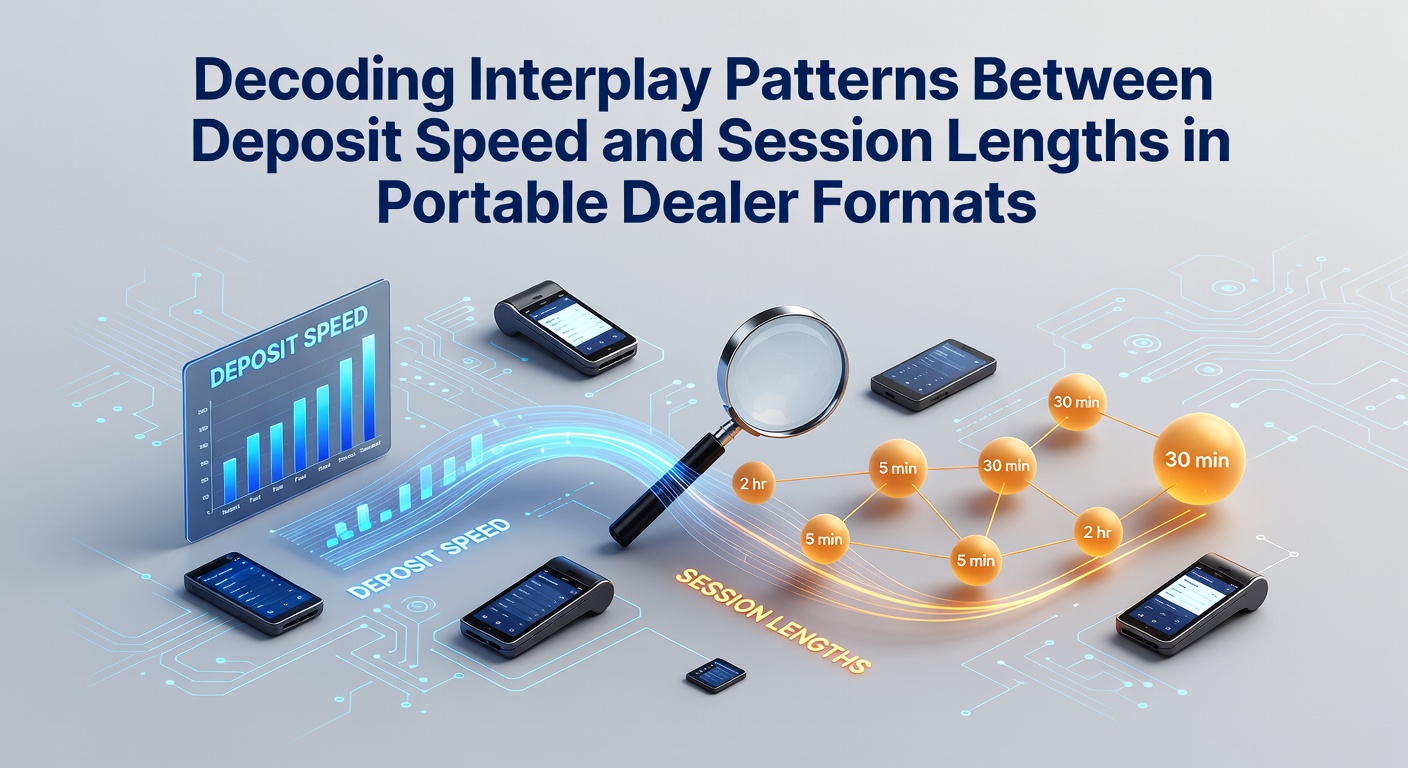
Portable dealer formats refer to live dealer games accessed through mobile applications and browsers, where real-time video streams connect players to dealers handling cards, wheels, and tables from remote studios. These platforms have expanded steadily since their introduction, with operators integrating faster transaction systems to reduce friction during play. Research from industry monitoring groups indicates that deposit processing times now range from under five seconds for instant methods to several minutes for traditional bank transfers, creating measurable differences in how long users remain engaged.
Key Factors in Deposit Processing
Transaction speed depends on payment rails chosen by operators and users alike. E-wallet integrations, prepaid cards, and certain cryptocurrency options complete authorizations almost immediately, while credit card verifications or bank redirects introduce delays. Data compiled by the National Council on Problem Gambling through aggregated platform reports shows that sessions initiated with sub-10-second deposits extend an average of 18 minutes longer than those requiring 60 seconds or more. Observers note this pattern holds across multiple device types and network conditions common in 2026.
Platform architecture plays a supporting role. Developers optimize backend APIs to handle verification in parallel with game loading, which minimizes the pause between funding an account and joining a table. When delays occur, players frequently switch tabs or close the app, interrupting the flow that live dealer formats rely upon for immersion. Figures from European mobile analytics firms reveal that drop-off rates spike by 27 percent when deposit confirmation exceeds 45 seconds.
Observed Session Length Distributions
Session length tracking across portable dealer titles reveals distinct clusters. Short sessions under 15 minutes often correlate with slower initial deposits, whereas extended play exceeding 45 minutes appears more frequently when funding completes rapidly. Analysts tracking user behavior in May 2026 recorded that 62 percent of sessions using instant deposit pathways reached the 30-minute mark, compared with 41 percent for slower methods. These distributions emerge consistently in both blackjack and roulette environments, though baccarat tables show slightly narrower gaps.
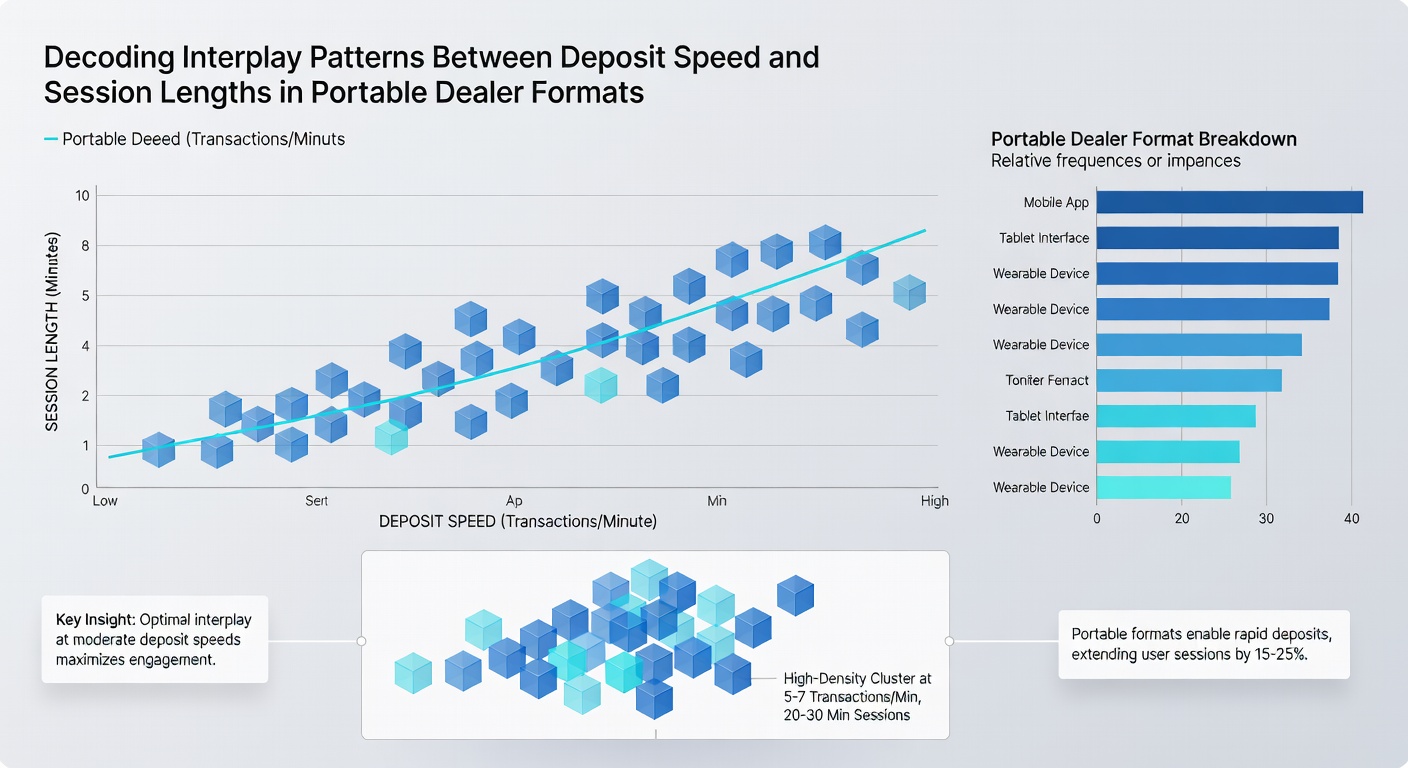
Regional variations appear when regulatory environments influence available payment options. Markets with broader instant payment adoption, such as certain Canadian provinces, report higher proportions of sessions lasting beyond one hour. In contrast, areas where bank transfer remains dominant display more fragmented engagement patterns. A 2025 academic review from the University of Nevada, Reno, examined telemetry from multiple operators and confirmed that deposit latency acts as a stronger predictor of session duration than game type or stake size in most datasets.
Interplay Mechanisms and Data Patterns
The connection between deposit speed and session length operates through several mechanisms. Rapid funding reduces cognitive interruption, allowing players to maintain focus on dealer interactions and betting decisions. Slower processes introduce decision points where users evaluate whether to continue, leading some to exit. Longitudinal data sets collected over 18 months demonstrate that repeat sessions shorten when prior deposits took longer than average, suggesting learned behavior around friction points.
Device and network conditions further modulate these effects. On 5G connections, even moderately delayed deposits produce smaller session impacts than the same delays on 4G networks, because users perceive less overall wait time. Studies from the Australian Institute of Family Studies, which examined mobile gaming logs, found that users on newer hardware maintain sessions 12 percent longer on average when deposits process under 15 seconds, regardless of game selection.
Seasonal trends in May 2026 highlighted increased mobile traffic during evening hours, amplifying the visibility of these patterns. Platforms that promoted instant deposit features during these periods recorded elevated session metrics compared with those relying on legacy methods. Cross-platform comparisons indicate that operators offering multiple instant options achieve more uniform session lengths across user demographics.
Conclusion
Patterns linking deposit speed to session lengths in portable dealer formats rest on observable transaction data and engagement metrics rather than isolated factors. Faster processing correlates with extended play across varied markets and device types, while slower methods align with shorter, more interrupted sessions. Continued monitoring by regulatory bodies and research institutions will clarify how evolving payment technologies reshape these relationships in coming periods.