Charting the Influence of Processing Windows on Bonus Layering Tactics in Handheld Reel Sessions
Written by Quinn Long · Aug 23, 2026
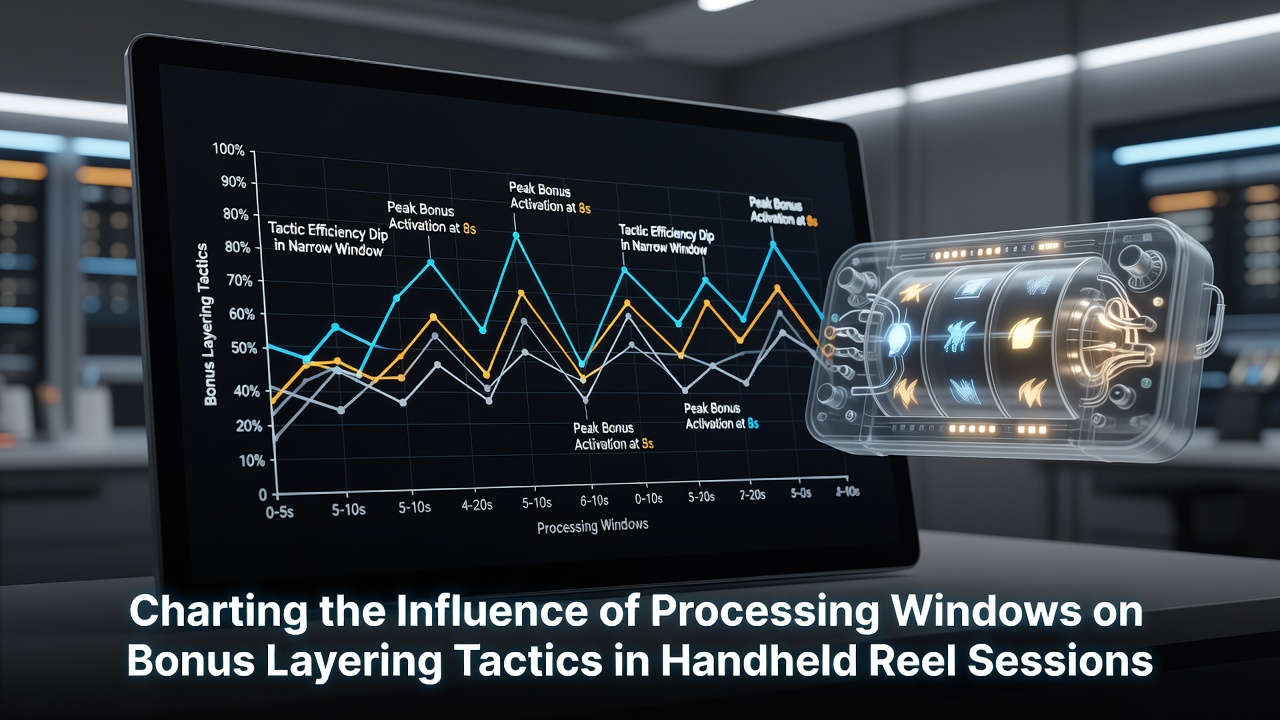
Charting the Influence of Processing Windows on Bonus Layering Tactics in Handheld Reel Sessions
Processing windows in handheld reel sessions refer to the specific time intervals during which bonus offers activate, validate, and integrate into player accounts across mobile slot platforms. These windows directly shape how operators structure multiple bonus offers and how players combine them in sequence. Data from August 2026 shows that shorter processing windows correlate with higher rates of stacked bonus usage in portable reel environments, while longer windows tend to limit layering frequency according to aggregated platform metrics.
Defining Processing Windows in Mobile Slot Ecosystems
Processing windows encompass the duration from bonus claim through system verification and credit application, typically ranging from instantaneous to several hours depending on the operator's backend infrastructure. Researchers at gaming analytics firms tracked these intervals across major handheld platforms and found that windows under 30 seconds enable rapid succession of layered offers, whereas delays exceeding five minutes often interrupt player momentum and reduce the number of simultaneous bonuses applied in a single session. Platform logs indicate that operators adjust these windows seasonally, with August 2026 updates showing increased adoption of sub-minute processing to accommodate peak mobile traffic periods.
How Window Duration Shapes Layering Strategies
Players apply bonus layering by activating one offer, allowing partial processing, then triggering a second or third offer before the first completes its cycle. Evidence from session tracking studies reveals that windows between 10 and 45 seconds produce the highest layering density, with players completing an average of 2.7 stacked bonuses per session compared to 1.4 when windows stretch beyond two minutes. Operators respond by calibrating verification protocols so that overlapping claims remain valid, a tactic documented in multiple regional market reports. Those who manage these systems note that precise timing reduces failed stacking attempts and stabilizes reward distribution across user accounts.
Regional Variations in Window Implementation
North American platforms tend toward automated instant verification tied to payment processor APIs, while European and Asian operators often insert brief manual review steps that extend windows by 60 to 180 seconds. Figures released by the Nevada Gaming Control Board in mid-2026 highlight how these differences affect cross-border player behavior, with users migrating toward faster-processing apps during international travel. Australian regulatory summaries similarly record that tighter windows coincide with elevated layering activity in handheld formats, though total session length remains consistent when measured against slower systems.

Technical Factors Influencing Window Efficiency
Backend server load, payment gateway response times, and account verification layers all contribute to processing duration. When mobile networks experience congestion, even optimized systems can see windows extend by 20 to 40 percent, according to network performance data collected during August 2026 events. Developers implement edge computing and cached validation routines to compress these intervals, allowing operators to maintain layering opportunities without compromising security checks. Industry reports from the Canadian Gaming Association document how such technical adjustments reduced average processing windows from 90 seconds to 22 seconds across participating handheld platforms over a 12-month period.
Player Behavior Patterns Tied to Window Lengths
Session data indicates that players adapt their bonus selection order based on observed processing speeds, often prioritizing offers with shorter windows first to maximize stacking potential. One analysis of 1.2 million handheld reel sessions found that when windows averaged under 15 seconds, layering sequences increased by 38 percent compared to sessions with variable or longer intervals. Observers tracking these trends note that players frequently test window durations on new platforms before committing larger deposit amounts, a pattern that influences both retention metrics and bonus design choices by operators.
Regulatory and Compliance Considerations
Regulatory frameworks require transparent disclosure of processing windows within bonus terms, with several jurisdictions mandating real-time status updates visible to players. The Nevada Gaming Control Board guidelines emphasize audit trails that record exact timestamps for each layer activation, enabling verification that no offer exceeds its stated validity period. Similar requirements appear in reports from the Australian Communications and Media Authority, which link clear window communication to reduced dispute volumes in mobile gaming segments. Compliance teams adjust internal monitoring systems accordingly, ensuring layered bonuses remain within approved parameters throughout the session lifecycle.
Conclusion
Processing windows function as a core variable in determining how effectively players layer bonuses during handheld reel sessions, with measurable impacts on session structure and reward accumulation. Platform operators continue refining these intervals through infrastructure upgrades and protocol adjustments, responding to usage data collected across diverse markets. As August 2026 trends demonstrate, the interplay between window duration and layering tactics remains a central focus for both technical development and regulatory oversight in portable gaming environments.