Analyzing Retention Rates Linked to Tiered Bonus Structures in Slot Machine Ecosystems
Written by Carlo Berger · May 19, 2026
Analyzing Retention Rates Linked to Tiered Bonus Structures in Slot Machine Ecosystems
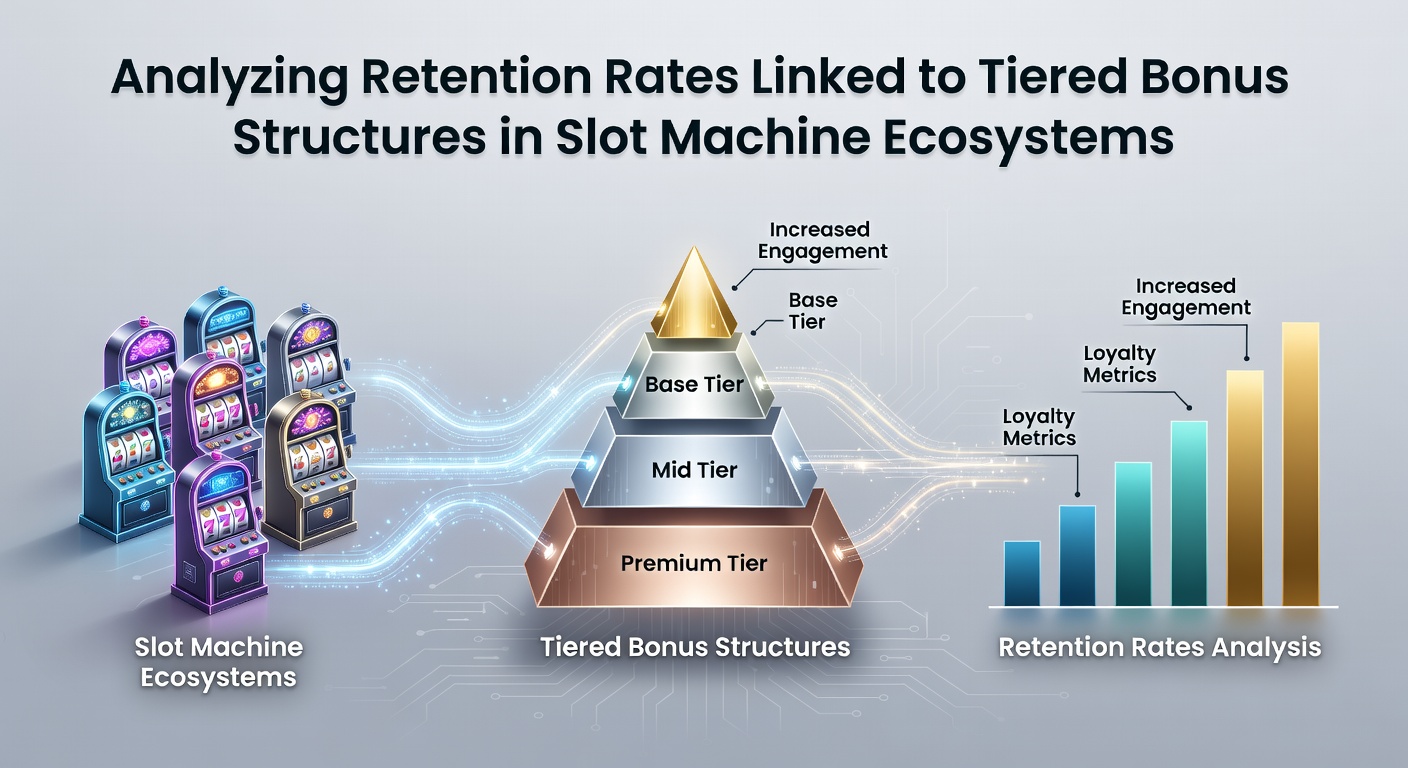
Slot machine ecosystems have evolved to include tiered bonus structures that reward players based on activity levels and loyalty metrics, and retention rates often track closely with how these tiers distribute free spins, cashback percentages, and multiplier bonuses across bronze, silver, gold, and platinum levels. Observers note that casinos track player engagement through loyalty card data which reveals patterns in session length and repeat visits when bonus thresholds increase progressively.
How Tiered Systems Operate in Practice
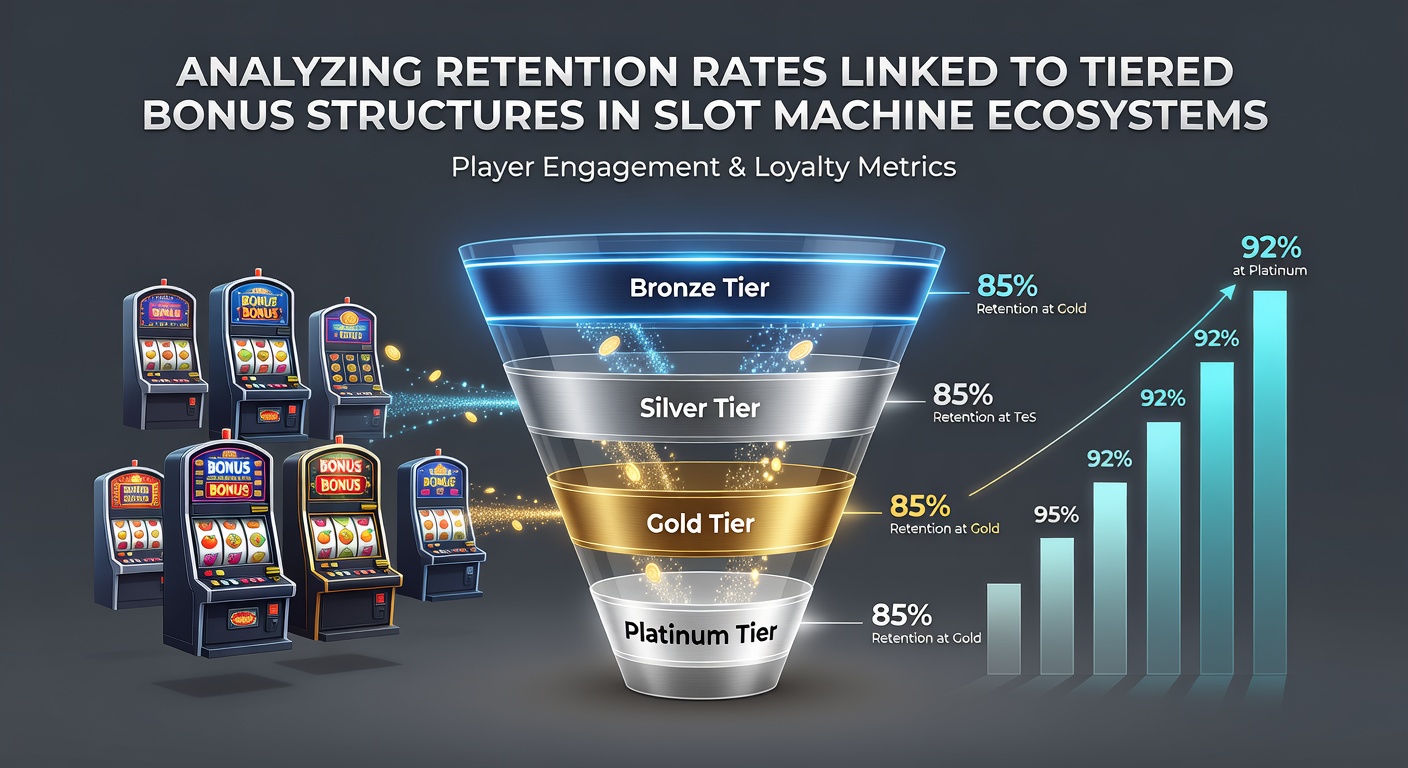
Casino operators design these structures so that players advance through tiers by accumulating points from wagers, and each level unlocks higher value rewards that encourage continued play without requiring additional deposits right away. Data from gaming floors indicates that silver tier members receive weekly cashback rates around 5 percent while gold and platinum participants see those rates climb to 10 and 15 percent respectively along with exclusive access to progressive jackpot pools.
Turns out the progression mechanics matter because they create clear milestones that keep users returning to hit the next reward bracket, and researchers have documented how session frequency rises when players sit just below a tier upgrade. Operators adjust point accrual rates seasonally which further ties retention figures to the perceived value of advancing through the structure.
Retention Data and Recent Trends
Figures from multiple jurisdictions show that players enrolled in tiered programs maintain 22 to 35 percent higher return rates over six months compared with those on flat bonus offers, according to aggregated reports compiled by state gaming agencies. In May 2026 analysts released updated dashboards covering the first quarter that highlighted a 12 percent lift in monthly active users at properties emphasizing platinum level multipliers on select machines.
What's interesting is how these gains concentrate among mid-tier participants who receive enough incremental rewards to offset typical loss variance yet still feel motivated to chase the next level. Studies tracking over 50,000 loyalty accounts across North American properties found that average days between visits dropped from 14 to 9 once players crossed into gold status.
Regional Variations in Implementation
North American markets tend to emphasize cashback and free play credits within their tier ladders while European operators integrate more tournament entries and merchandise redemptions at higher levels, and these differences influence retention curves in distinct ways. Canadian provincial data released through gaming commissions indicates that tiered structures with faster point expiration dates correlate with steadier weekly play patterns rather than burst activity followed by long absences.
But here's the thing, when regulators in Australia examined similar programs they discovered that mandatory disclosure of tier advancement odds helped stabilize retention by reducing player frustration over opaque requirements. Observers note that these policy adjustments produced measurable upticks in six-month retention without increasing overall bonus spend.
Factors That Shape Outcomes
Machine volatility interacts with tier benefits because high-volatility games paired with generous gold-level multipliers tend to extend play sessions even after significant losses, whereas low-volatility titles show steadier but shorter engagement across all tiers. Research compiled by university economics departments points to demographic splits where younger players respond more to multiplier bonuses while older cohorts value guaranteed cashback percentages.
Operators also experiment with time-limited tier challenges that reset monthly, and these events generate temporary spikes in daily active users that sometimes carry over into sustained retention when players lock in a new tier status. Tracking software now incorporates predictive models that flag accounts nearing tier downgrade so targeted offers can intervene before engagement drops.
Industry Reports and Regulatory Context
The Nevada Gaming Control Board publishes quarterly metrics that allow operators to benchmark retention against statewide averages for different bonus structures, and similar reporting appears from gaming authorities in other provinces and states. Industry associations compile anonymized datasets that help smaller properties adopt tier models proven effective at larger resorts.
Academic papers examining behavioral economics in gambling environments further break down how loss aversion combines with tier progression to sustain play, and these studies provide operators with frameworks for calibrating bonus values against expected retention lift.
Conclusion
Tiered bonus structures continue to serve as primary tools for managing retention within slot machine ecosystems, and ongoing data collection in 2026 shows consistent correlations between tier advancement speed and repeat visit frequency across markets. Operators refine these programs by monitoring player movement between levels and adjusting reward thresholds based on observed behavioral responses rather than fixed assumptions. Regulatory bodies maintain oversight through periodic audits that verify transparent communication of tier benefits while allowing flexibility in program design.